I. Project Background
Thick-plate, high-strength steel components in bridge steel structures are characterized by numerous full-penetration groove welds, multi-layer multi-pass welding and stringent inspection standards. Anhui Transportation Holdings Industrialized Construction Co., Ltd., as a provincial state-owned backbone manufacturer of bridge steel structures, faces practical production pain points such as heavy thick-plate welding workloads, difficulty recruiting skilled welders, high manual welding repair rates and challenging welding-distortion control, and urgently needs intelligent upgrading of its welding process.
The company chose 3Srobotics for its proven deployment cases in the bridge steel structure field and equipment performance that meets the stringent quality requirements of state-owned enterprises; its mature thick-plate multi-layer multi-pass welding process produces welds that pass UT inspection and reduces rework; its vision-based, teach-free operation enables fast changeover across multi-specification components; and the equipment supports double-shift continuous production with a clear return on investment.
II. Solution & Implementation
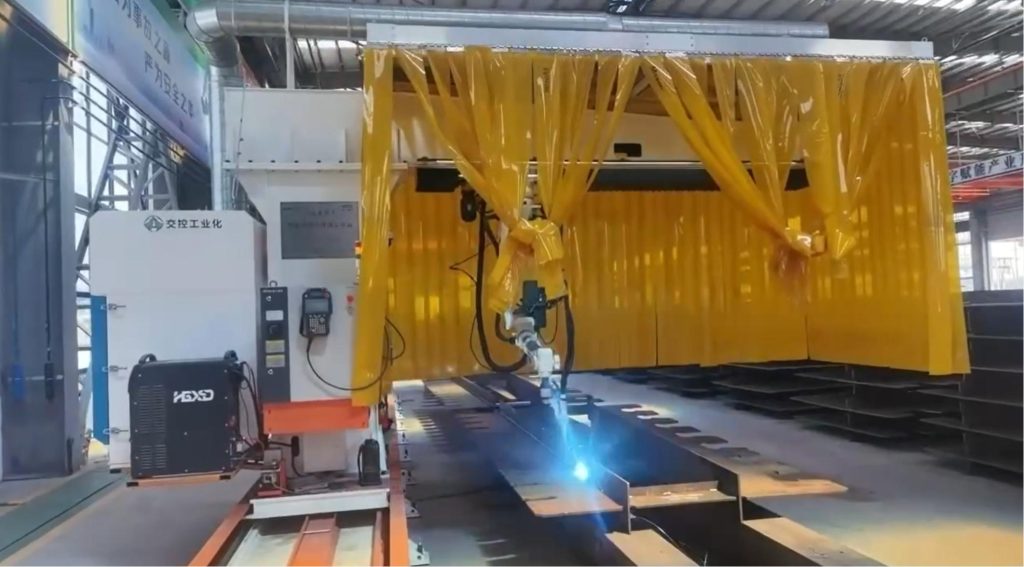
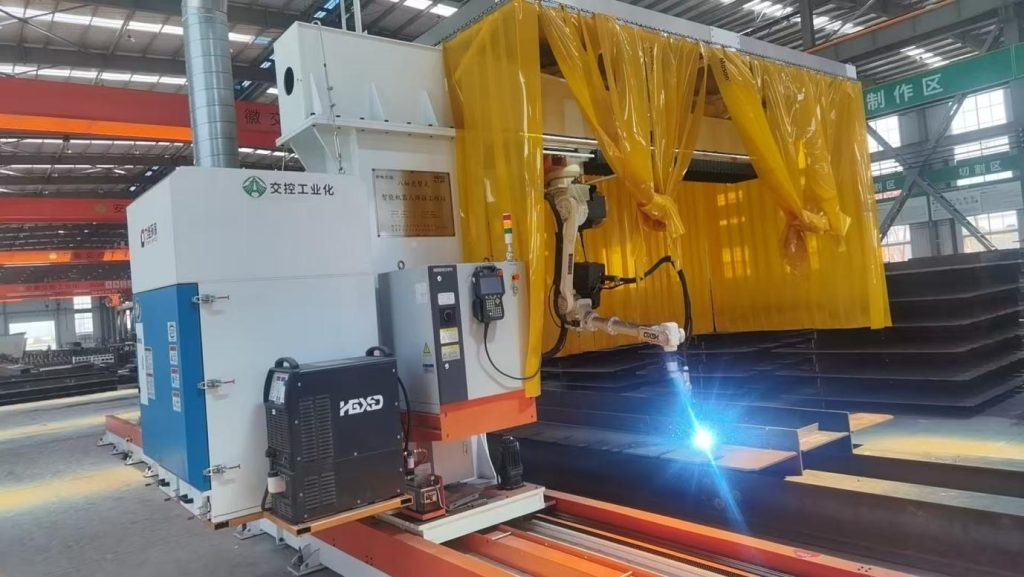
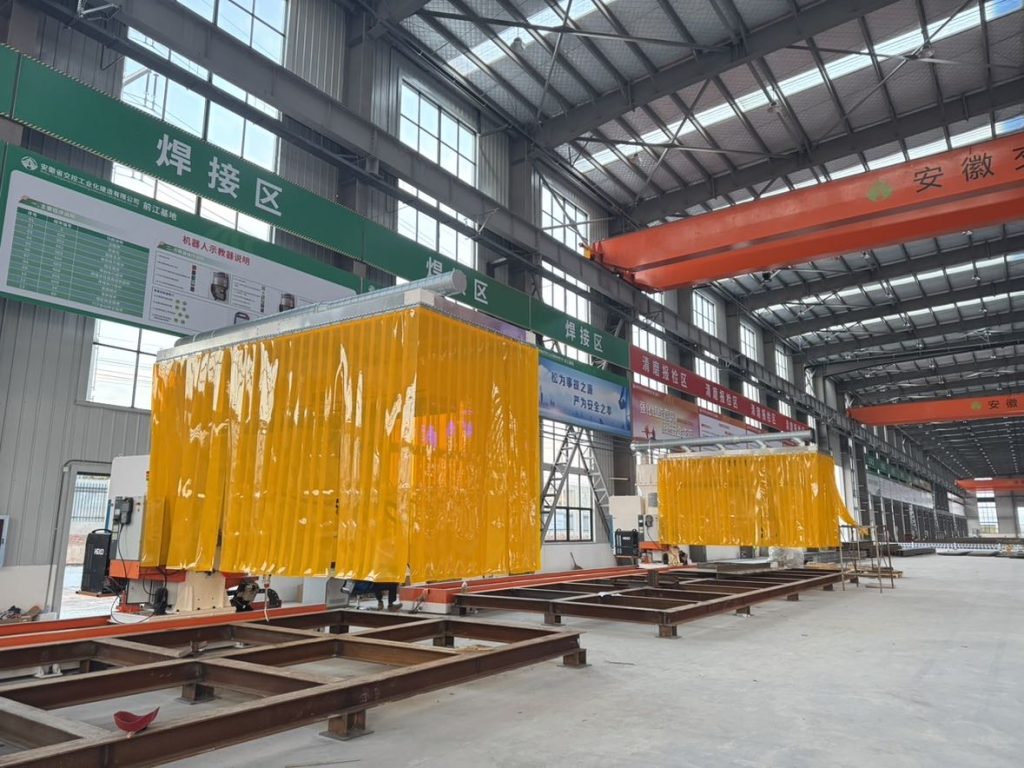
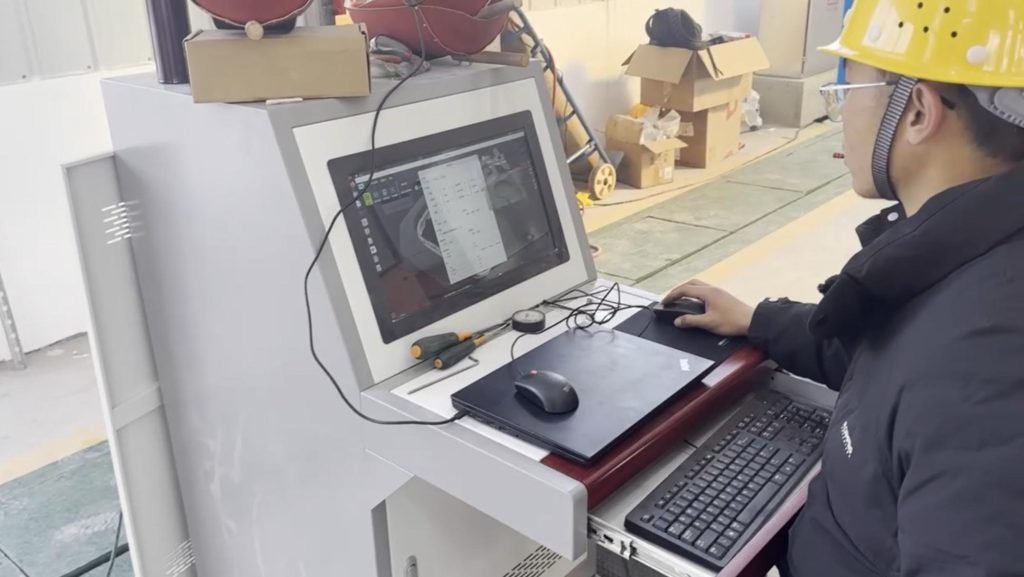
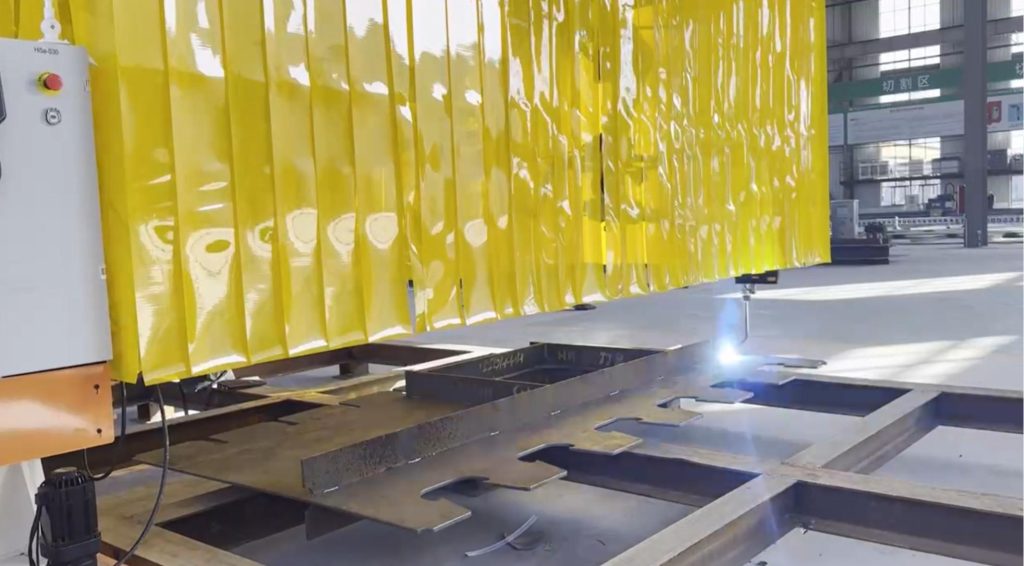
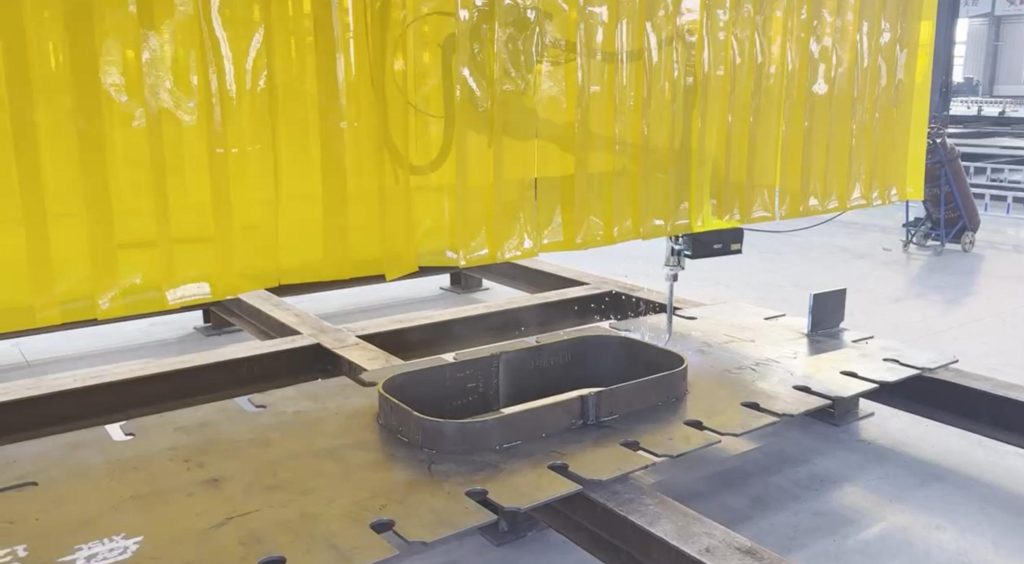
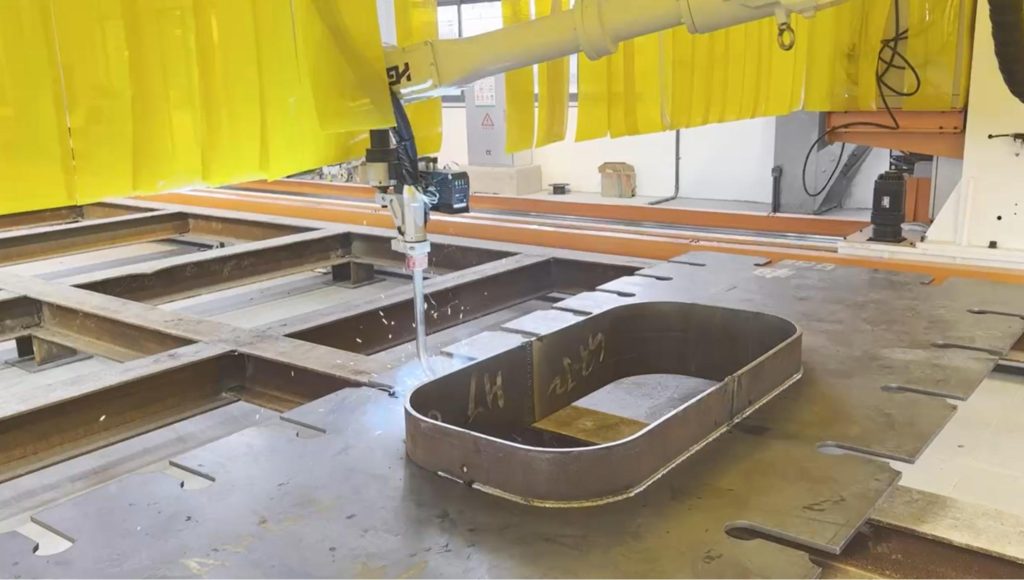
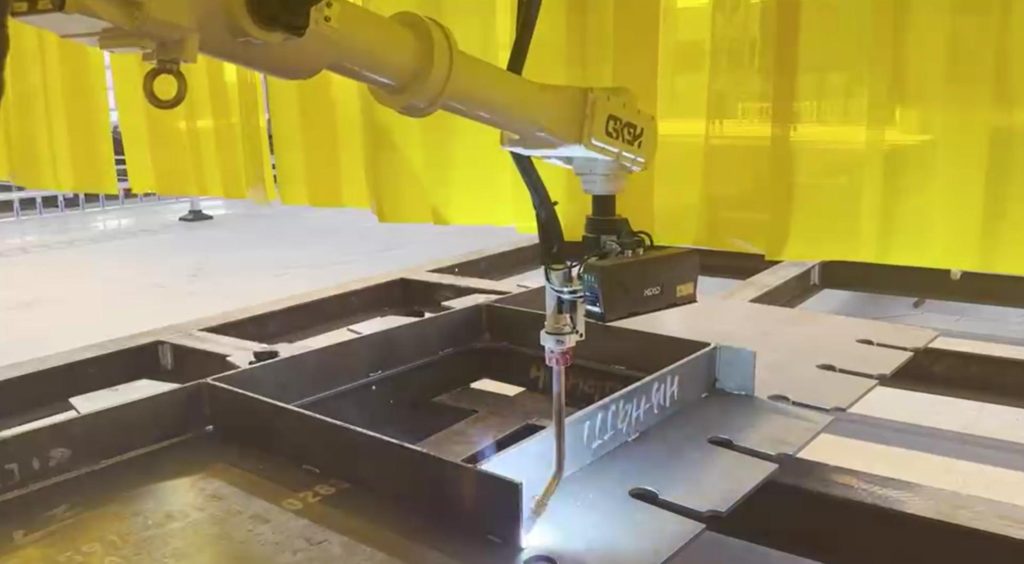
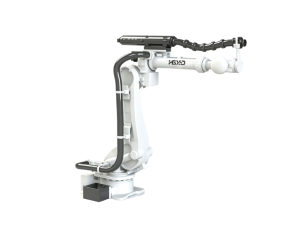
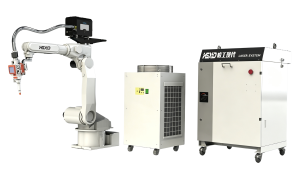
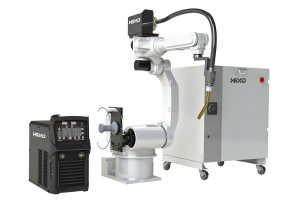
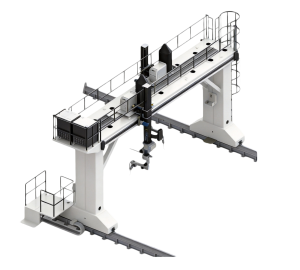
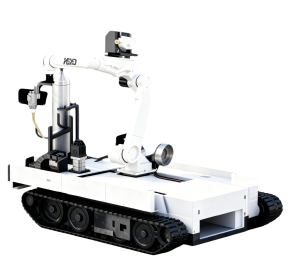
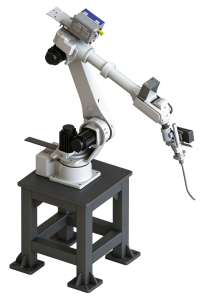
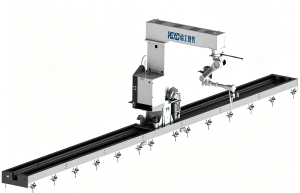
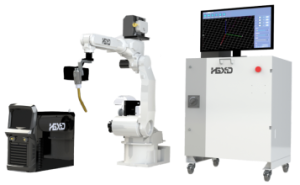
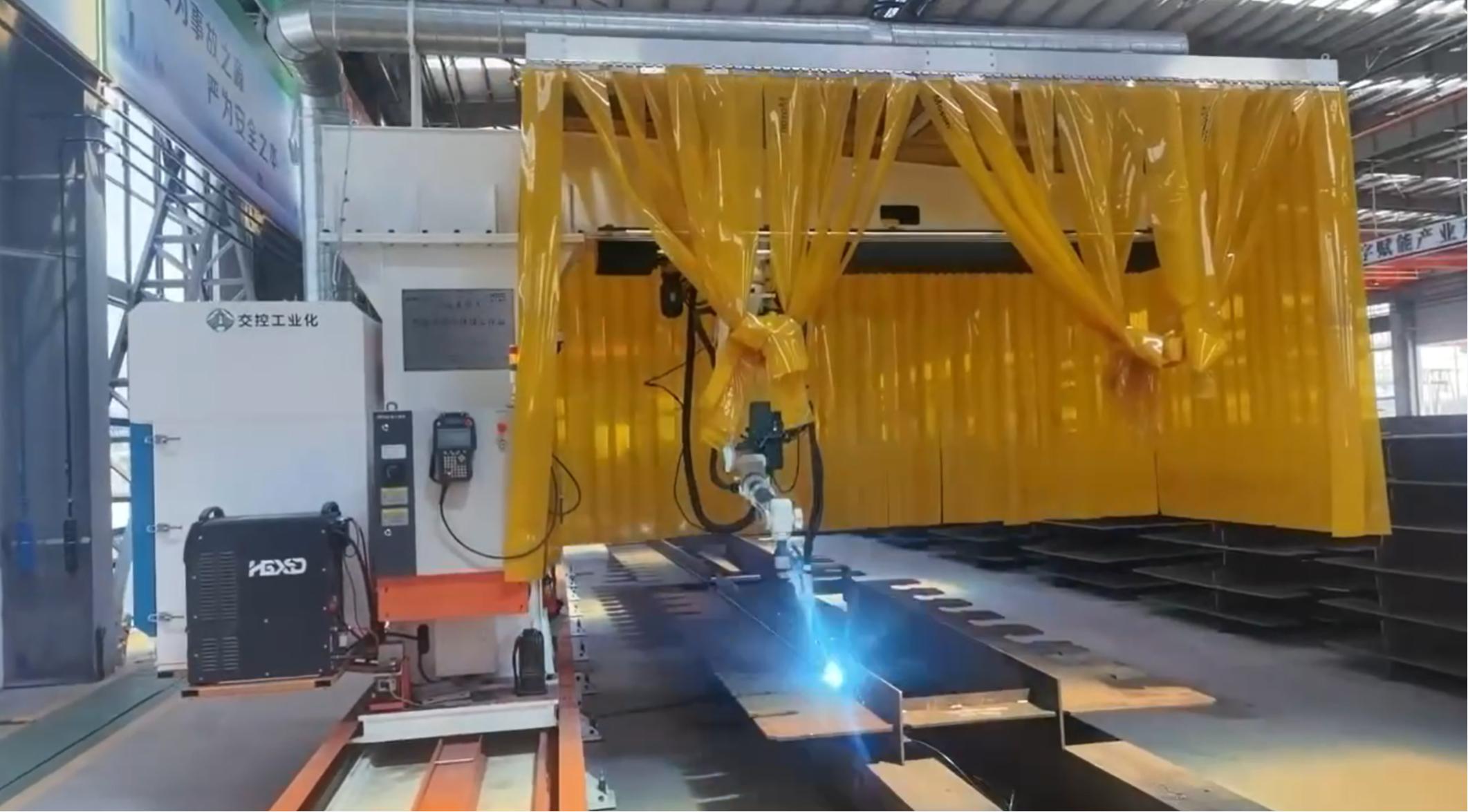
3Srobotics deployed multiple 8-axis cantilever intelligent welding systems for the customer’s working conditions at the Qianjiang base steel structure workshop, used for automated welding of fillet and groove welds on beam-type components. The equipment relies on a vision system to automatically scan components, identify weld positions, groove forms and gaps, automatically match process parameters and generate welding trajectories, realizing teach-free operation for both fillet and groove welds. For thick-plate full-penetration welds, the system independently lays out weld passes and intelligently controls welding current, voltage, travel speed and interpass temperature, completing fully automatic multi-layer multi-pass welding. The equipment is also equipped with a fume extraction and dust removal system to improve the workshop environment.
III. Project Value & Results
After deployment, the company’s welding capacity became stable and controllable. Two systems work in coordinated zones, supporting more than 16 hours of double-shift continuous production per day with daily welding capacity exceeding 400 meters, while effectively saving 4–5 welders and easing the pressure of skilled-welder shortages and high labor costs. Robot welding parameters are precise and controllable, weld seams form evenly and neatly, full-penetration welds meet UT inspection standards, the repair rate drops significantly, and post-weld grinding workload is reduced. Deeply integrated with the company’s provincial-level digital workshop production line, the intelligent welding equipment controls welding distortion, improves component geometric accuracy, and drives the transformation of bridge steel structure manufacturing toward intelligent manufacturing.