I. Project Background
Crane steel structures withstand dynamic-load fatigue, and key welds must meet primary and secondary inspection standards; three-dimensional garage columns can be over twenty meters long, where accumulated heat input from long welds easily produces bending and angular distortion requiring extensive correction. Taicang Tongsheng mainly manufactures crane steel structures and three-dimensional garage columns, facing the pain points of a shortage of highly skilled welders, unstable manual weld quality and large post-weld component distortion, urgently needing intelligent welding solutions.
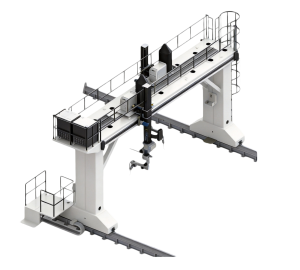
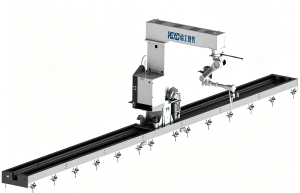
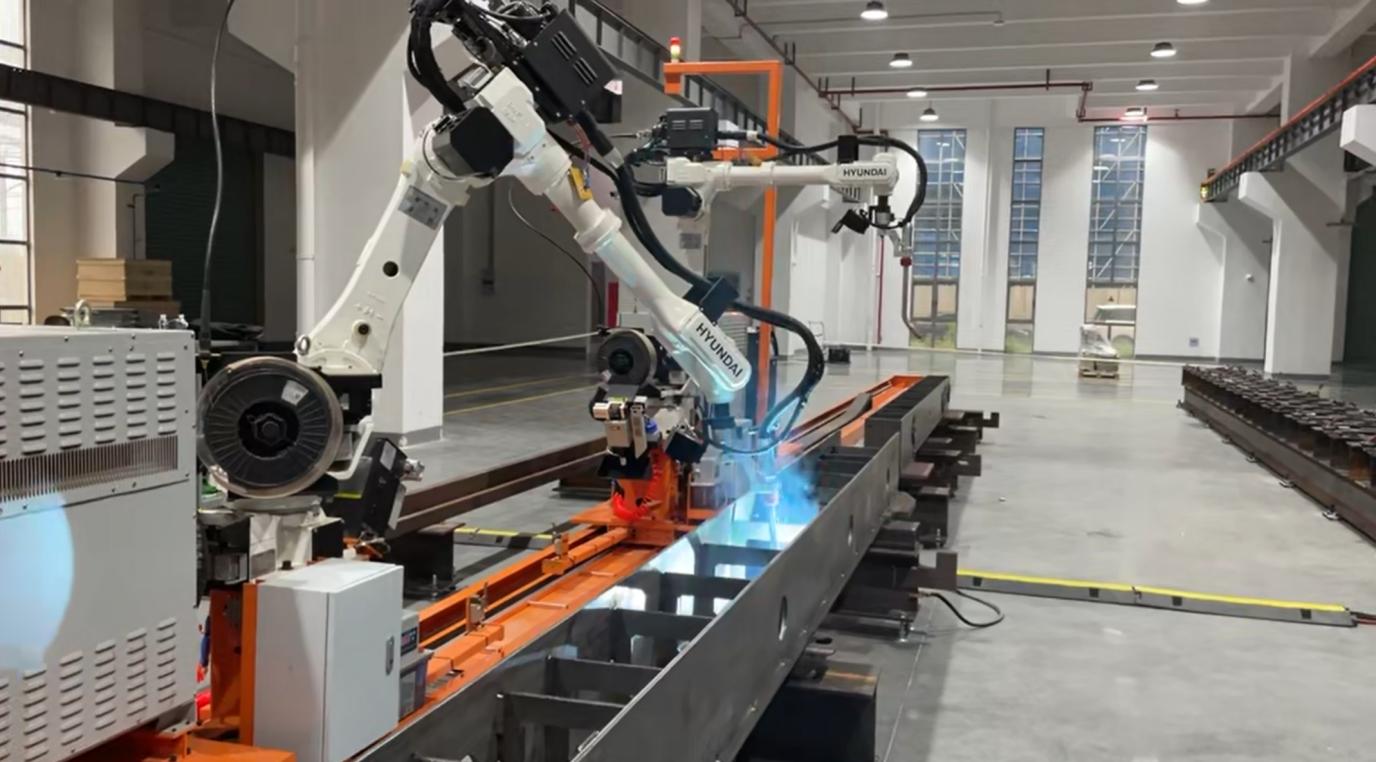
The company chose 3Srobotics for its 7-axis ground-rail, one-rail dual-machine synchronous symmetric welding solution that improves long-component welding distortion from the source; mature full-penetration processes for dynamic-load components that guarantee weld inspection indicators; vision-based programming-free operation for fast changeover; and a Yangtze River Delta location enabling timely process debugging and after-sales response.
II. Solution & Implementation
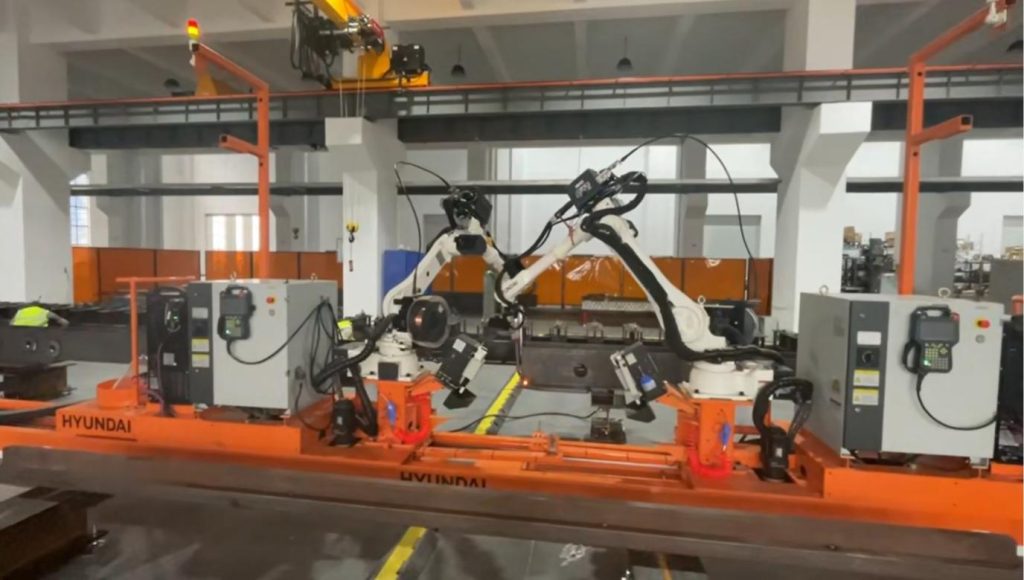
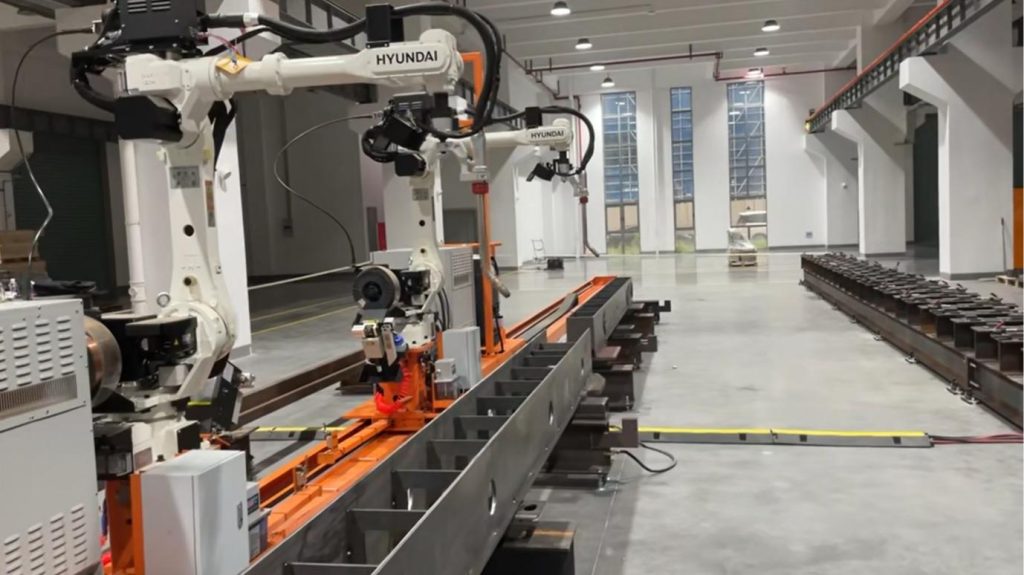
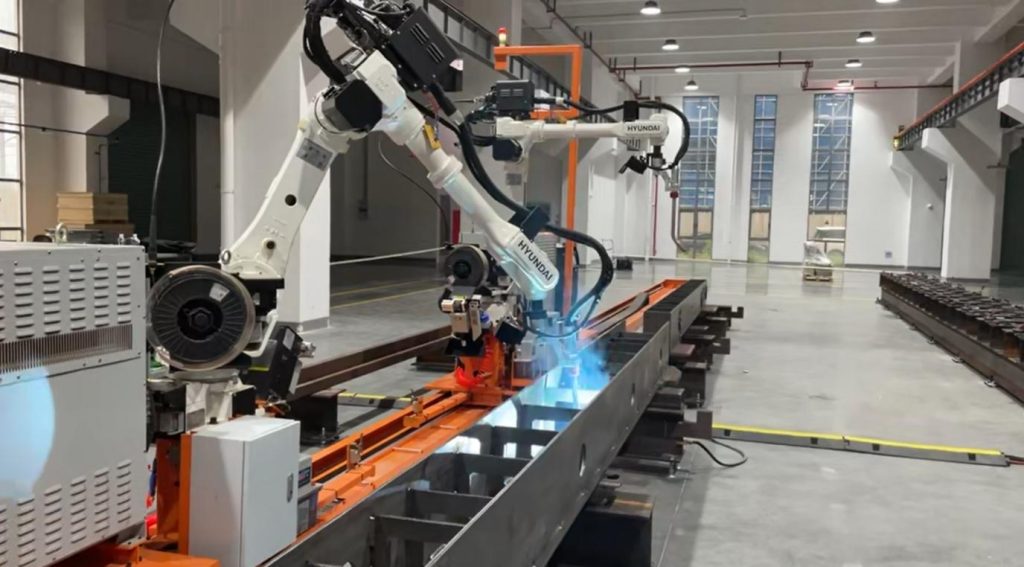
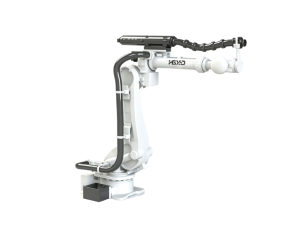
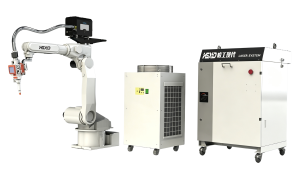
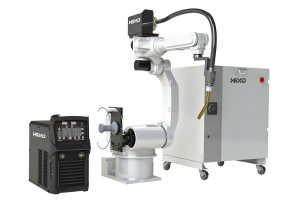
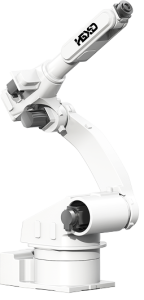
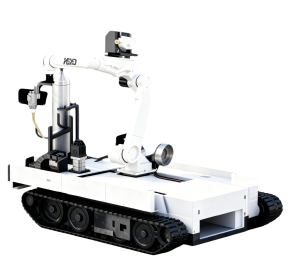
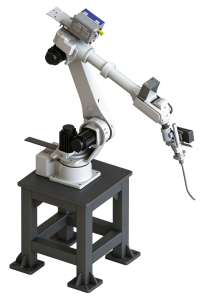
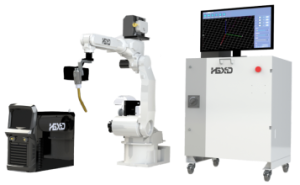
3Srobotics implemented a 7-axis ground-rail, one-rail dual-machine intelligent welding solution, with two robots sharing a ground rail and positioned on opposite sides of the component for synchronous symmetric welding, keeping welding speed and heat input synchronized so both sides are heated evenly, offsetting shrinkage stress and solving the long-weld distortion accumulation problem. For full-penetration joints on crane beams, the system plans multi-layer multi-pass weld beads, controls welding parameters and interpass temperature, and automatically retains welding data, meeting the process requirements for primary and secondary weld inspection. The ground rail covers ultra-long columns from several meters to over twenty meters, and the robots move continuously along the rail to complete long welds in a single pass, reducing arc-restrike defects. Vision recognition automatically generates welding trajectories without manual teaching, adapting to multi-variety changeover production of crane beams and garage columns and improving equipment utilization. Operators only need to supervise equipment operation.
III. Project Value & Results
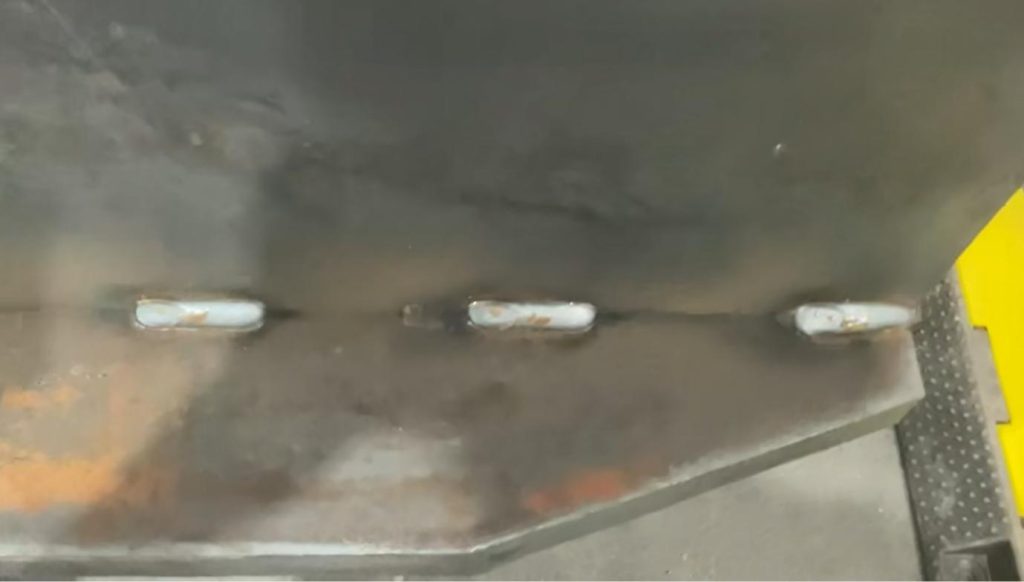
After commissioning, the post-weld straightness of long columns improved significantly, and flame correction workload dropped substantially. Dual-machine synchronous operation completes long welds in a single pass, significantly improving welding efficiency compared with manual and single-machine modes, with stable and controllable production rhythm. Welding parameters are unified and controllable, weld formation and fillet size consistency improve, and high-grade weld inspection pass rates are guaranteed. A single operator can supervise the entire dual-machine system, effectively reducing the company’s reliance on scarce highly skilled welders.