I. Project Background
Bridge steel structures are mostly thick-plate, high-strength steel components with numerous full-penetration groove welds requiring multi-layer multi-pass welding and UT inspection, and controlling welding distortion of large components is difficult. Shandong Huayi Steel Machine, as a special-grade steel structure manufacturer, has continuously growing bridge steel structure orders; traditional manual welding is constrained by the shortage of highly skilled welders, thick-plate welding has a high inspection-repair rate, and capacity and quality struggle to meet production demand, urgently requiring intelligent welding upgrading.
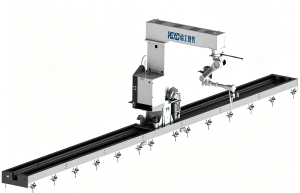
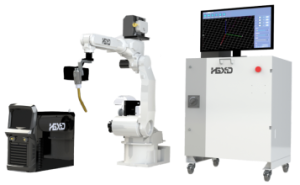
The company chose 3Srobotics for its mature thick-plate multi-layer multi-pass welding process; an 8-axis cantilever workstation that covers large bridge components up to 4.4 meters wide; vision-based teach-free recognition of grooves and fillet welds that reduces changeover debugging time; a high first-pass welding pass rate with less rework; and support for one-person multi-machine, long-duration continuous operation that effectively reduces reliance on highly skilled welders.
II. Solution & Implementation
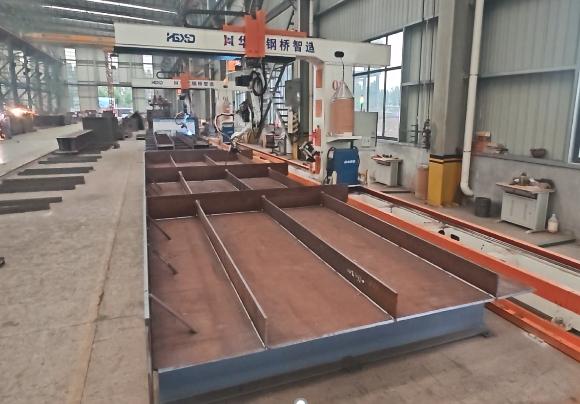
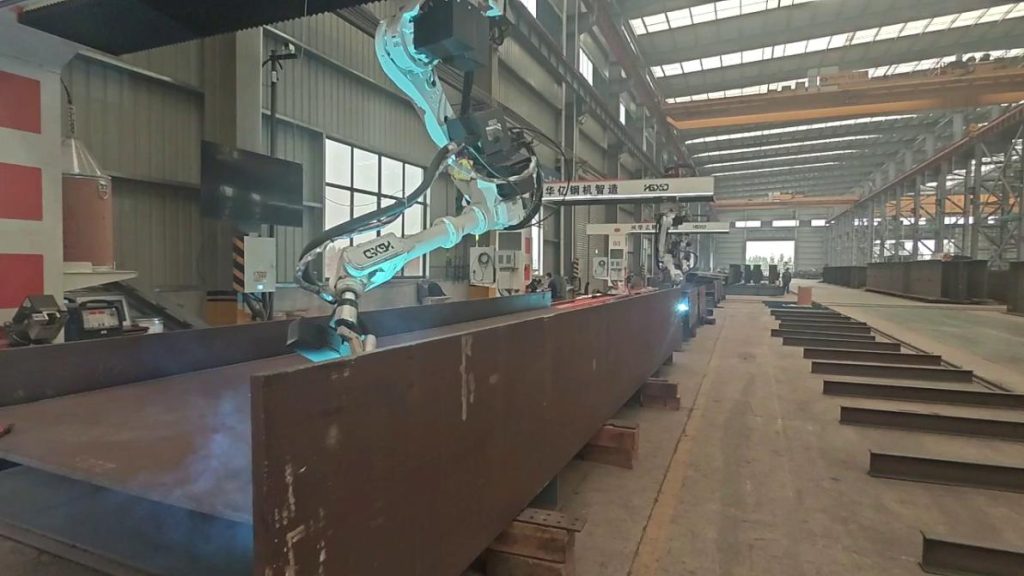
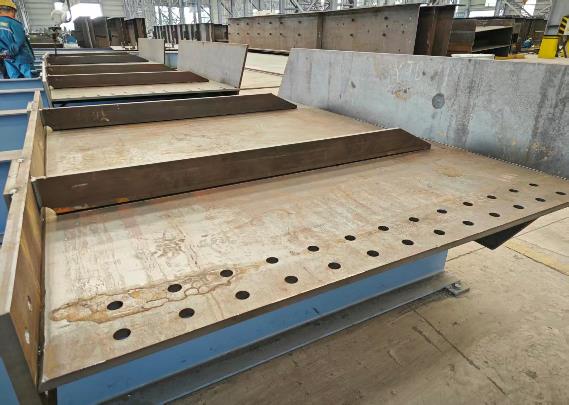
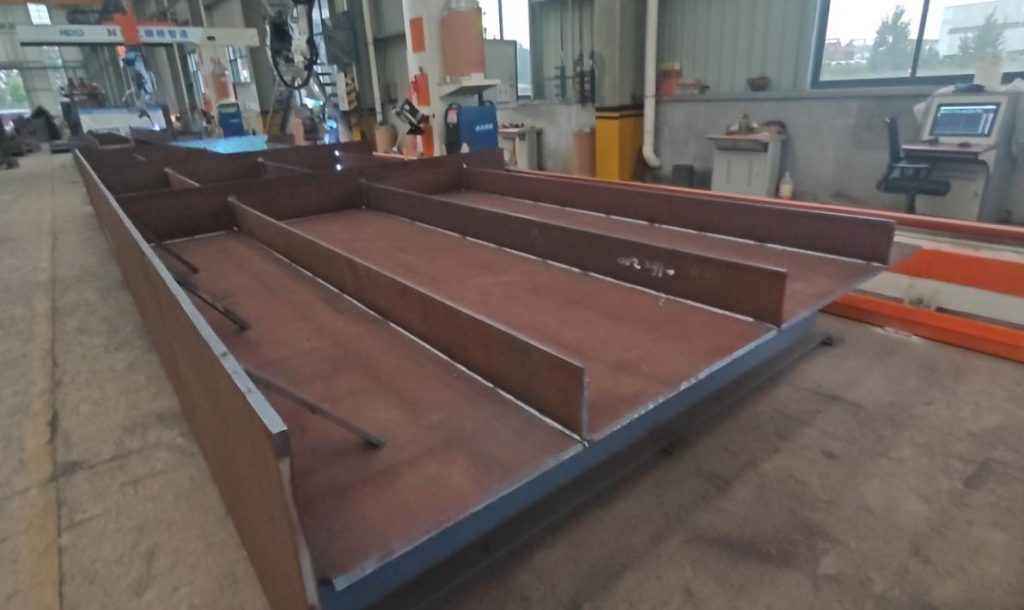
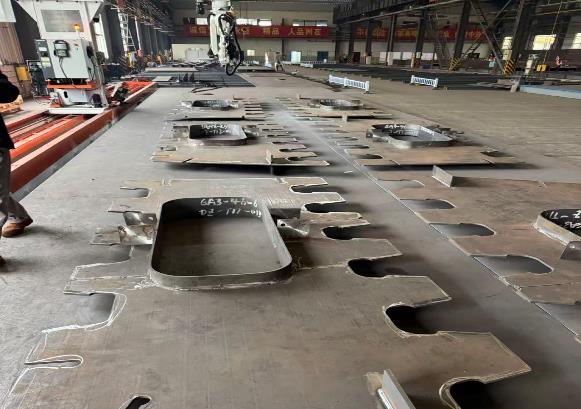
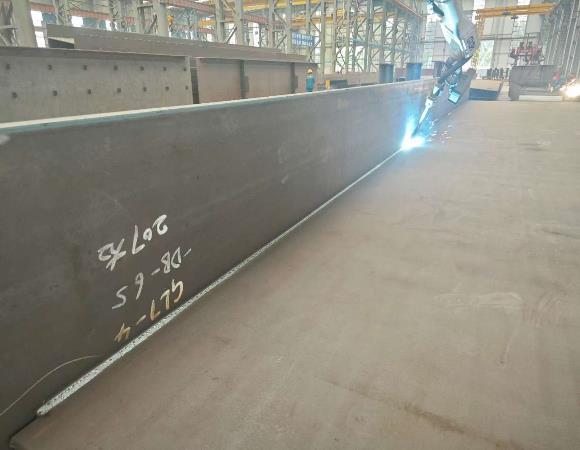
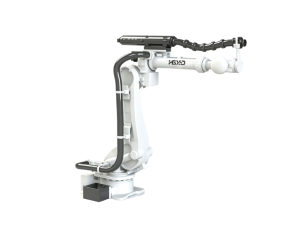
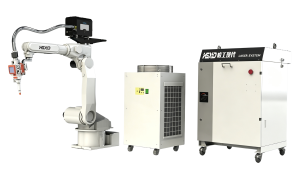
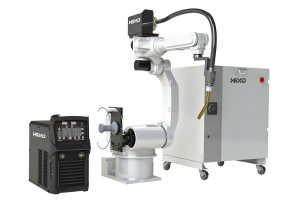
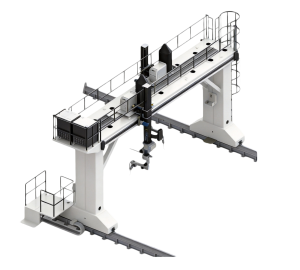
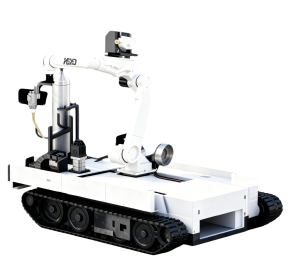
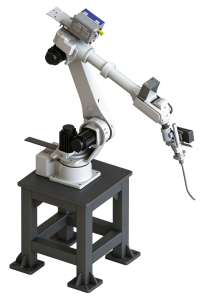
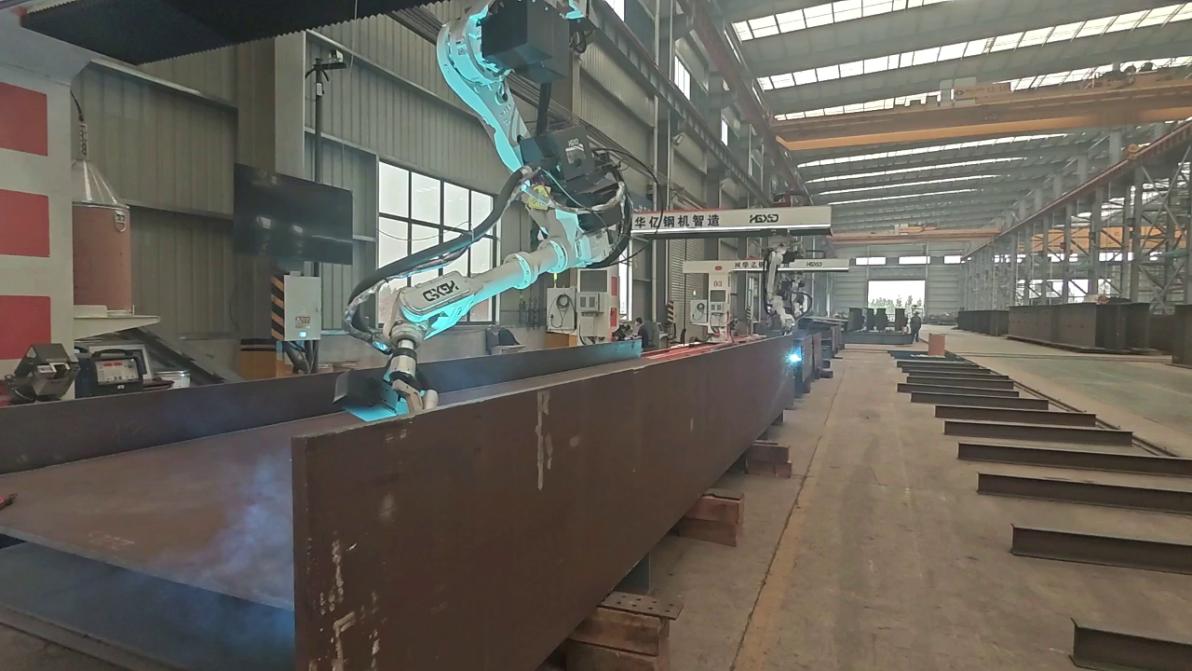
3Srobotics configured 3 sets of 8-axis cantilever intelligent welding equipment for automated welding of large bridge steel structures, plate units and crane beams, handling components up to 4.4 meters wide and covering various weld seams including flat and vertical grooves. The equipment relies on vision scanning to automatically recognize weld positions, groove angles and gaps, autonomously generating welding trajectories without manual teaching. For thick-plate full-penetration welds, the system independently plans the number of weld passes, controls welding parameters and interpass temperature, and guarantees UT inspection indicators. Adopting a one-person multi-machine mode, one ordinary operator manages 3 sets of equipment, which can run stably for 20 hours per day. Segmented symmetric welding optimizes heat input to control welding distortion of large components and reduce correction costs.
III. Project Value & Results
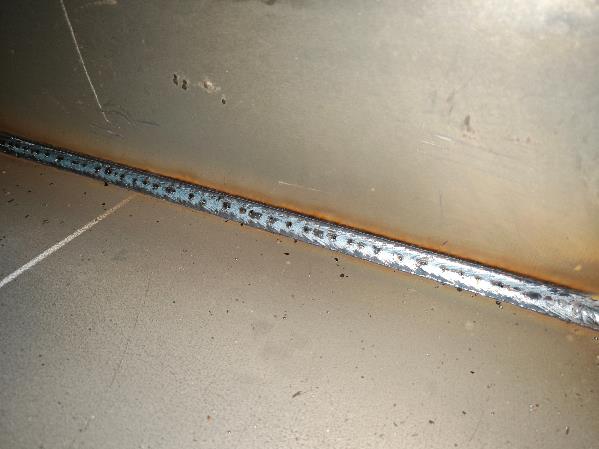
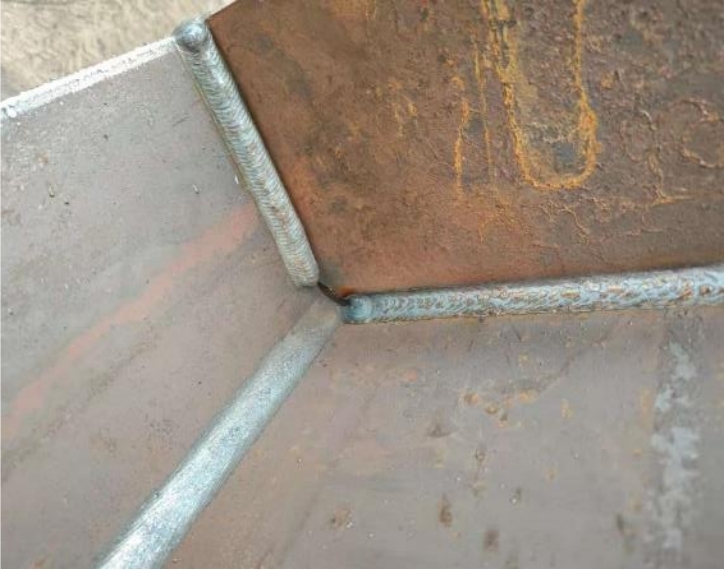
After commissioning, the company freed itself from strong reliance on highly skilled welders for thick-plate welding. The equipment achieves a total daily welding length of 720 meters, and double-shift production saves 4–5 welders, easing recruitment pressure. Weld formation is standardized, the first-pass welding pass rate exceeds 99.5%, rework volume is reduced by 85%, and the UT inspection performance of full-penetration welds improves significantly. Under the combined effect of efficiency gains and reduced rework, the overall component delivery cycle is shortened by 30%, enhancing the company’s order response and delivery capability.