I. Project Background
Building steel structure components are large, and key joints of load-bearing beams and columns require full-penetration primary-grade welds with 100% UT non-destructive inspection. Baosheng Group, as a large state-owned enterprise under AVIC, faces the production pain points of extensive on-site welding, a high proportion of elevated work, a shortage of skilled welders and high rework costs in manual welding, and is advancing the intelligent upgrading of its steel structure welding.
The company chose 3Srobotics for its robots that require no 3D model and no manual teaching, adapting to diverse components and variable-batch production; a 7-axis ground-rail solution that covers large workpieces; mature thick-plate full-penetration welding processes that guarantee primary-grade weld inspection pass rates; and its ability to meet the stringent requirements central enterprises place on supplier qualification and full-process delivery services.
II. Solution & Implementation
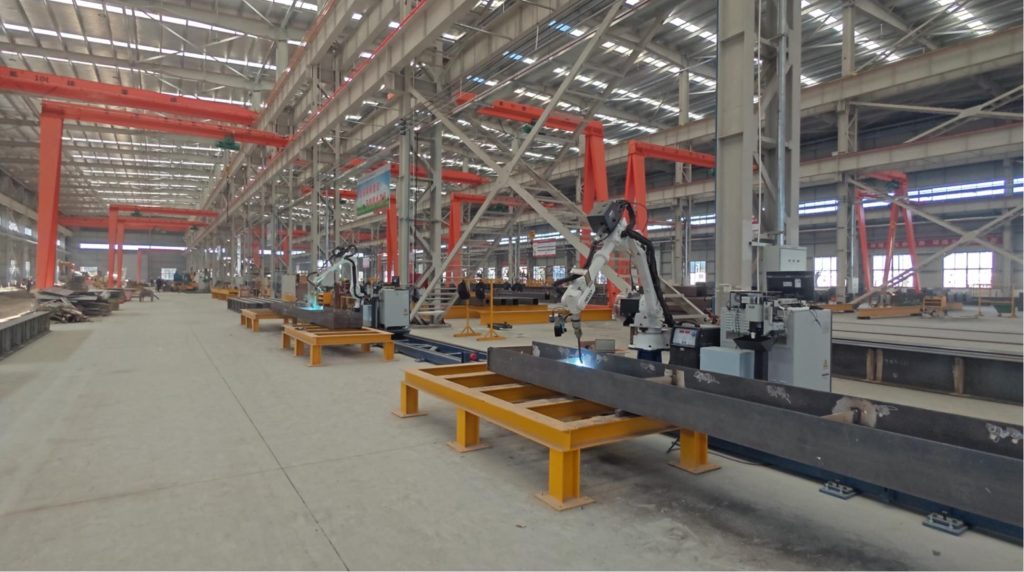
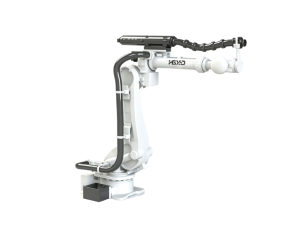
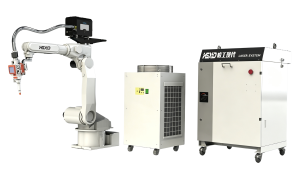
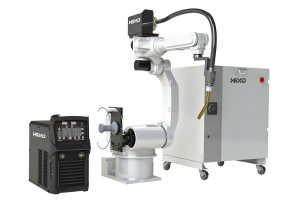
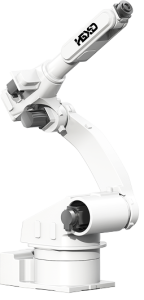
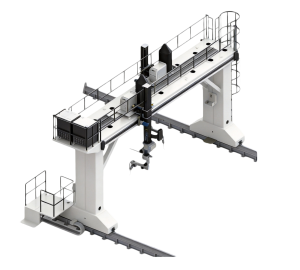
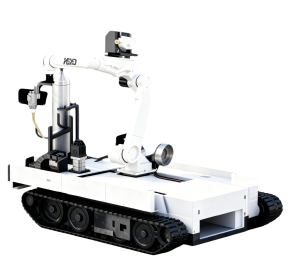
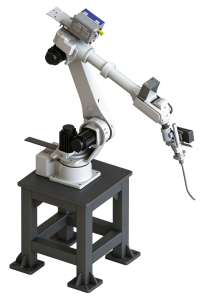
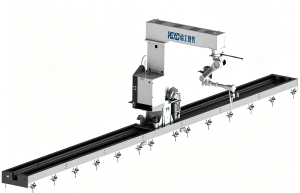
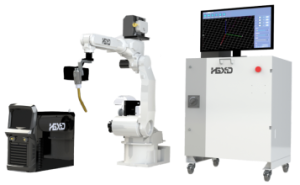
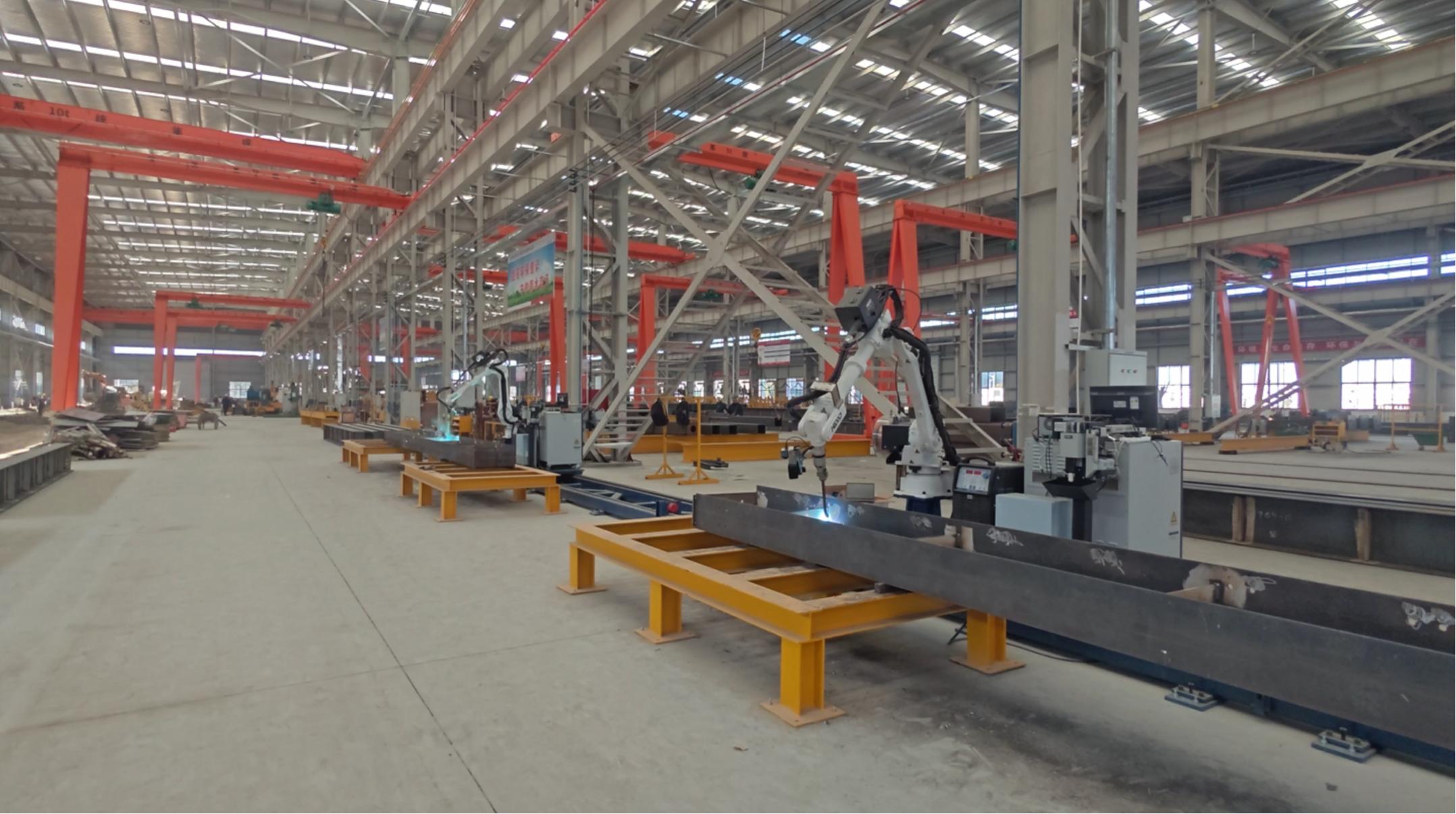
3Srobotics configured two 7-axis ground-rail intelligent welding systems for the building steel structure working conditions. The equipment completes reverse 3D reconstruction of workpieces through vision scanning, autonomously generates welding trajectories and weld-pass layouts, and starts welding with one-key startup, lowering the operating threshold.
The robots move long distances along the ground rail, covering the full-length welds of large beams and columns without repeated lifting and repositioning, achieving automatic weld tracking and continuous welding. For full-penetration welds on thick plates at load-bearing joints, the system automatically plans multi-layer multi-pass weld beads, precisely matches welding parameters, and controls interpass temperature and heat input to guarantee root penetration. The two systems work in coordination, sharing different component welding tasks and flexibly allocating production capacity.
III. Project Value & Results
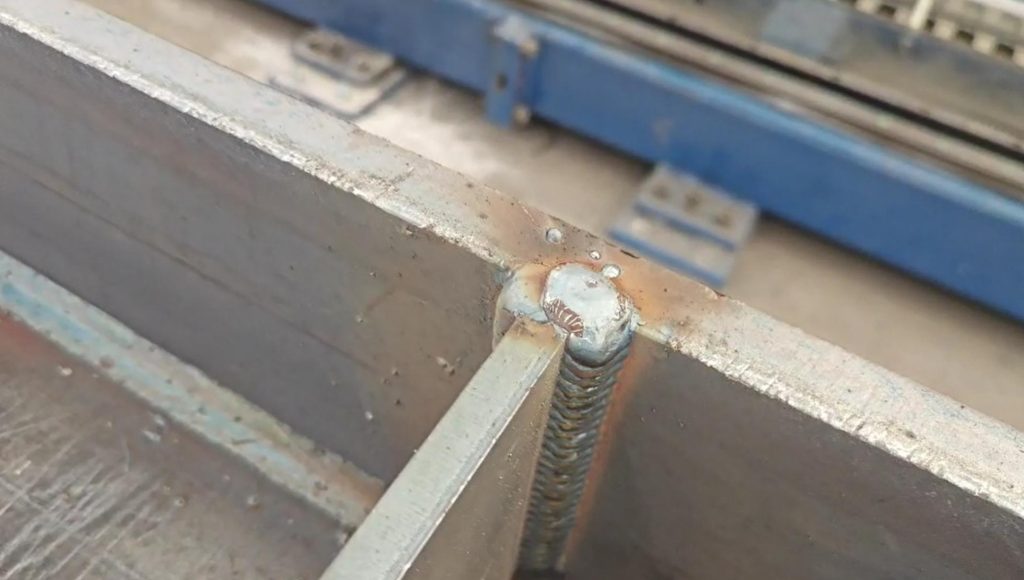
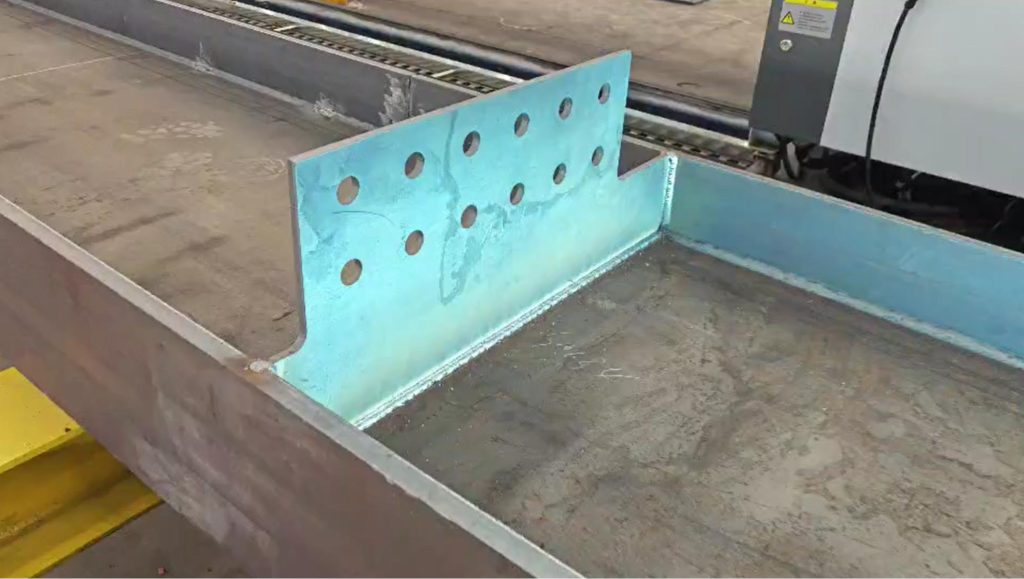
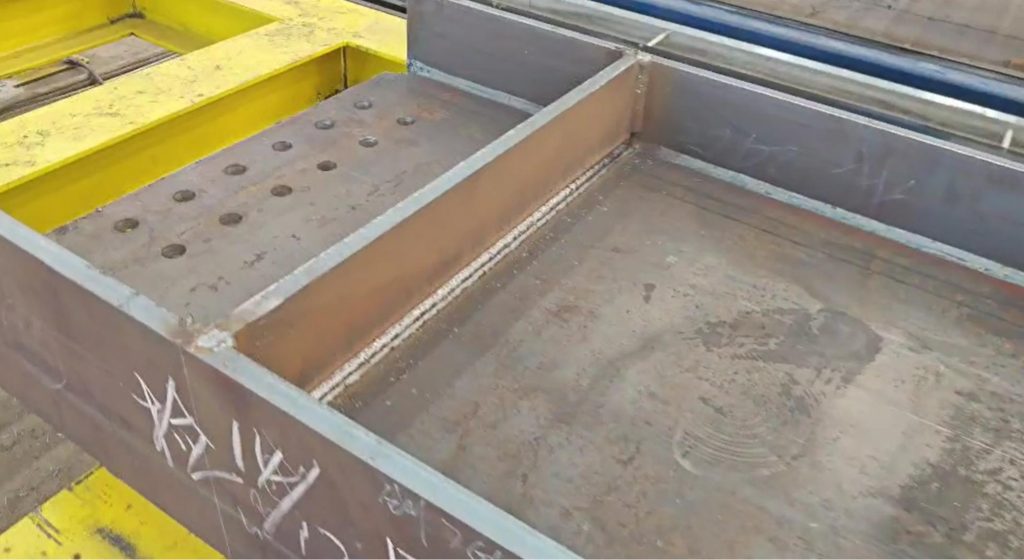
After deployment, automated welding of building steel structures is realized. Free from human fatigue constraints, the equipment maintains a stable welding rhythm, significantly improving overall welding capacity compared with the manual mode. Welding parameters are precise and controllable, weld formation is consistent, and UT inspection pass rates are expected to improve, reducing the time and material waste caused by rework.
A single operator can supervise multiple machines, greatly reducing the company’s reliance on skilled welders and easing recruitment difficulties. High-risk, elevated welds are handled automatically by the equipment, keeping operators away from dangerous conditions such as arc light and high temperatures and effectively reducing on-site safety risks. The equipment will be gradually put into batch production with production tasks, continuously releasing automated steel structure welding capacity.