I. Project Background
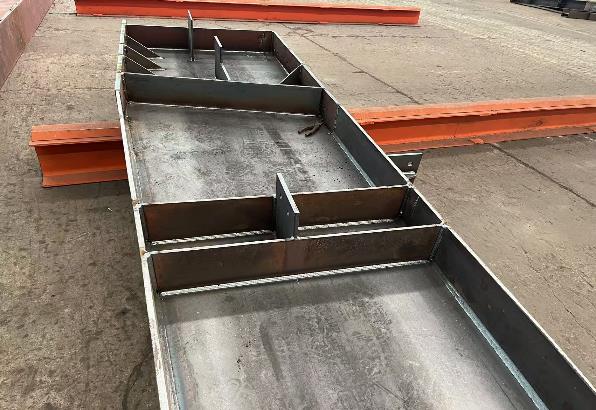
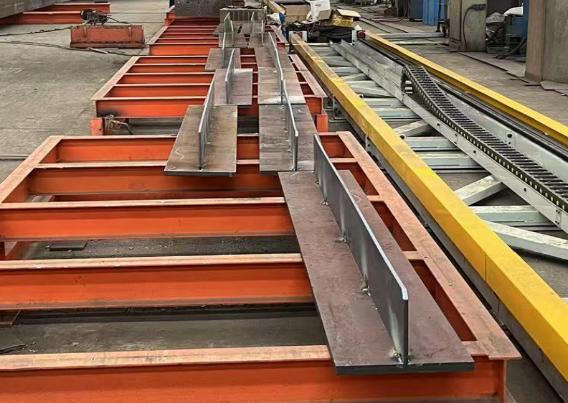
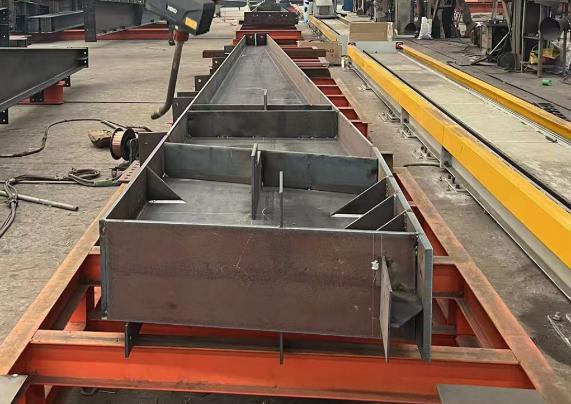
Building steel structures have numerous non-standard custom components, and H-beams and box beams involve multiple welding positions including flat, vertical, horizontal and overhead, making welding difficult. Shandong Huatai Steel Structure, as a comprehensive steel structure manufacturer, has frequent component changeovers; traditional teaching robots have long debugging cycles and low utilization. Meanwhile, recruiting and retaining highly skilled welders is difficult, manual weld quality fluctuates greatly, and the repair rate is high, constraining order delivery and creating an urgent need for highly flexible intelligent welding solutions.
The company chose 3Srobotics for its equipment that is truly programming-free, relying on vision to automatically recognize weld seams with component changeover taking only 5–10 minutes; a rich range of workstation types adaptable to different component sizes; a lower operating skill threshold allowing ordinary workers to start work after simple training; and full-process delivery service capability in steel structure solution design, debugging and implementation.
II. Solution & Implementation
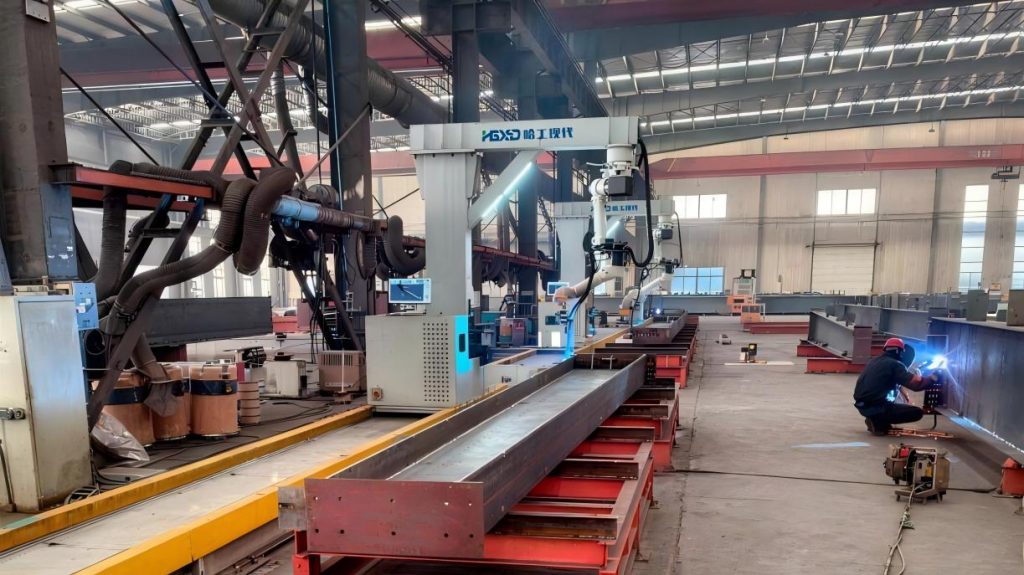
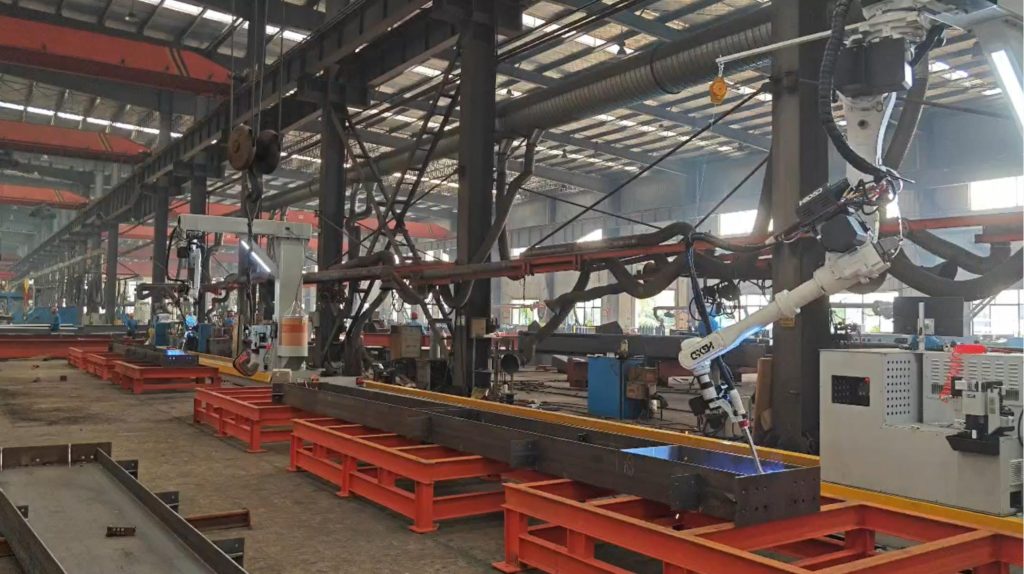
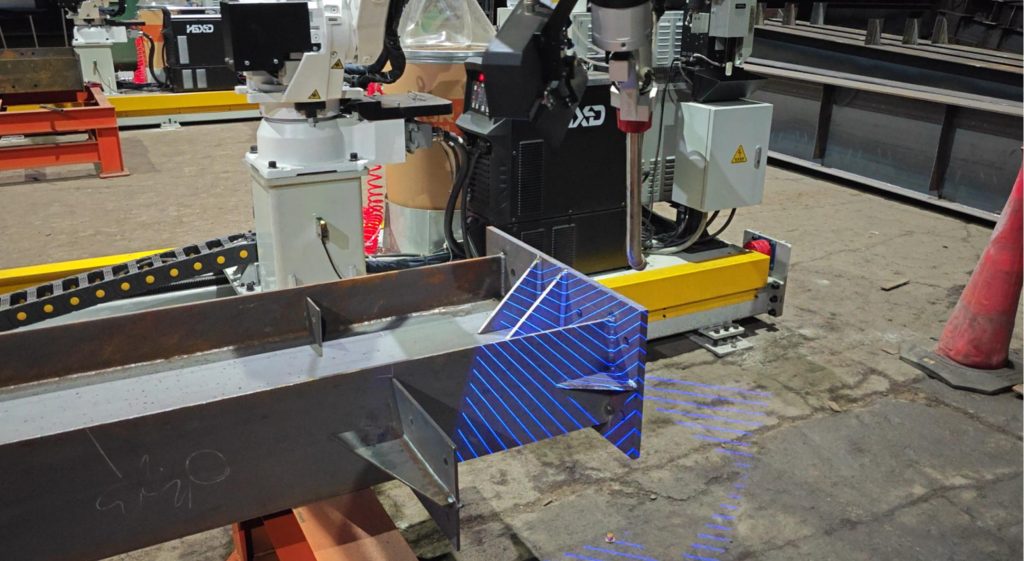
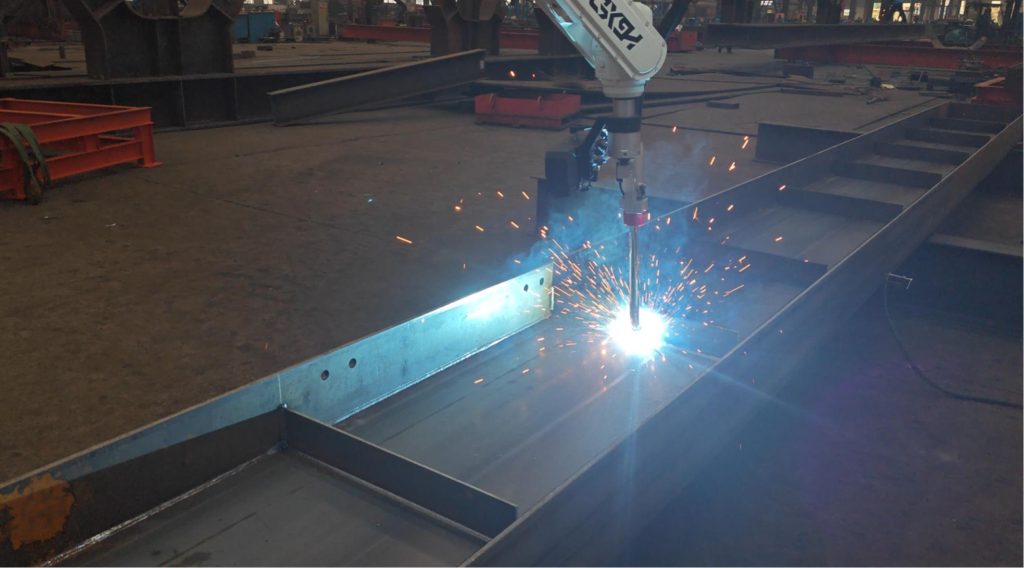
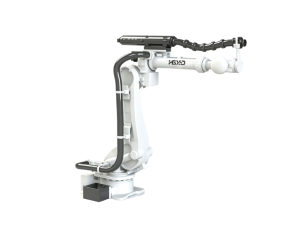
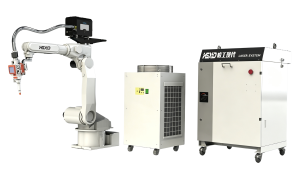
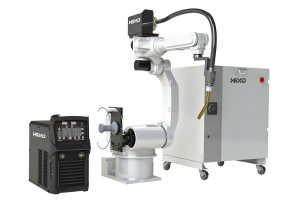
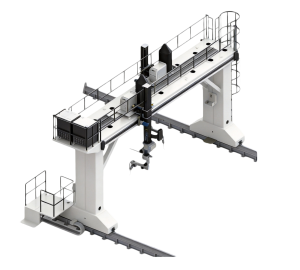
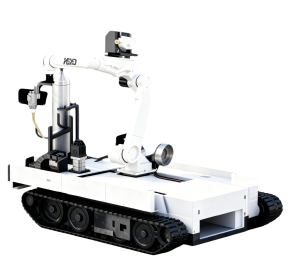
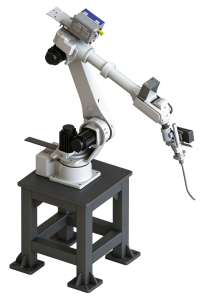
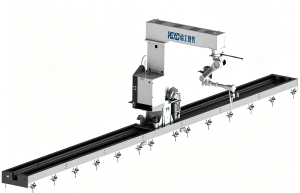
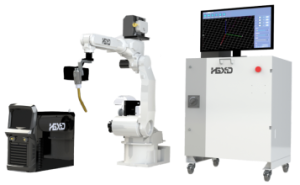
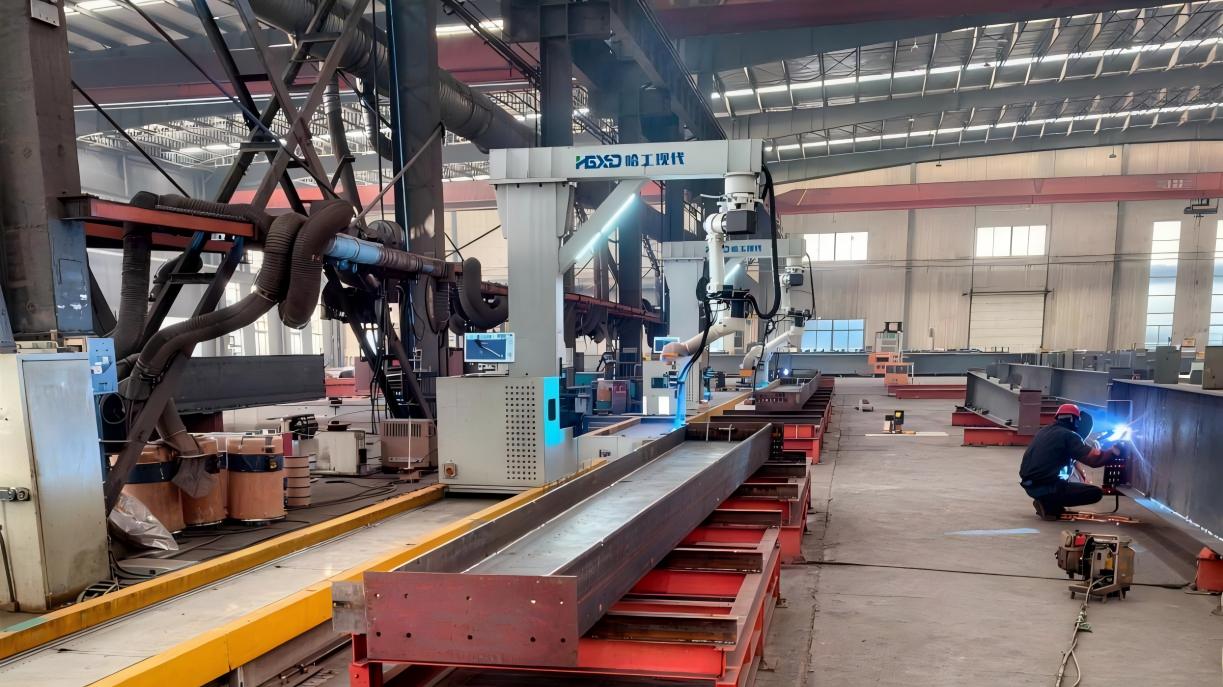
3Srobotics deployed 4 intelligent welding systems for Huatai Steel Structure to weld non-standard components such as H-beams and box beams. The equipment relies on vision scanning to automatically recognize weld positions, grooves and different welding conditions such as flat, vertical and horizontal welding, autonomously generating welding trajectories and process parameters without manual teaching programming, compressing changeover time to 5–10 minutes. The system automatically matches torch posture and welding parameters for different welding positions to guarantee weld formation quality across all positions. Adopting a one-person multi-machine management mode, a single person can supervise 4 systems, with robots working continuously for more than 18 hours per day and 4 systems achieving a double-shift daily capacity of 600–720 meters, realizing multi-variety, variable-batch flexible production.
III. Project Value & Results
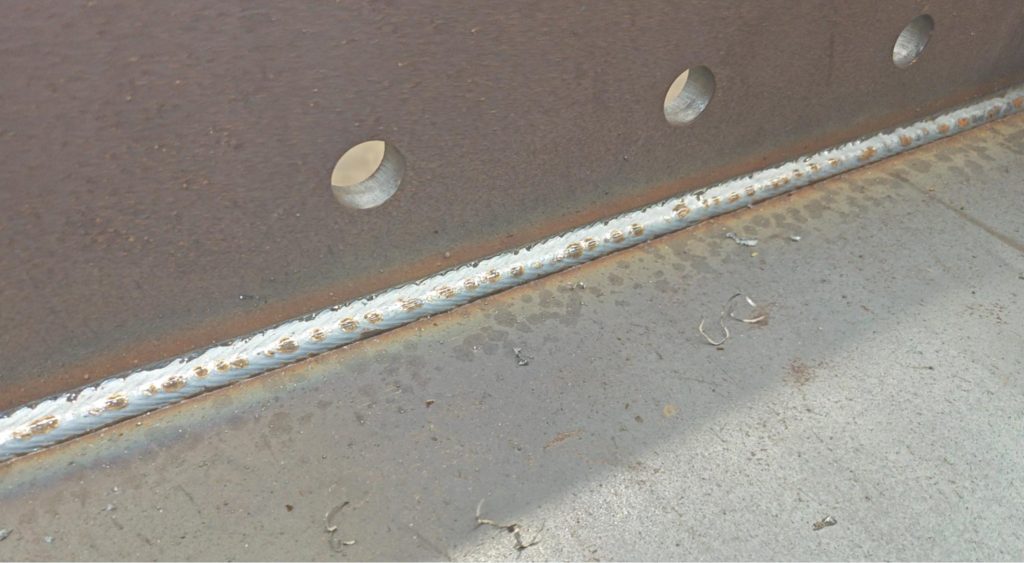
After deployment, the workshop shifted from reliance on highly skilled welders to a production model pairing ordinary workers with intelligent equipment. Production efficiency improved significantly, with double-shift production saving 5–6 welders and greatly easing skilled-welder recruitment pressure. The equipment outputs even and stable weld formation, reducing defects such as undercut and porosity and lowering the repair rate, ensuring project delivery quality. Welding process parameters, production progress and quality data are automatically retained and traceable, driving the workshop’s upgrade from experience-based management to data-driven digital management.