I. Project Background
Ship sub-assembly component welding has a large workload, with many component types and small-batch, multi-variety alternating production, making welding heat distortion control difficult. Jiangxi Huadong Shipbuilding, as an important private shipbuilding enterprise in the Yangtze River basin, has long relied on manual labor for sub-assembly welding and faces pain points such as difficulty recruiting skilled welders, high staff turnover, uneven manual weld quality, and prominent defects and rework, urgently needing intelligent upgrading of its welding process.
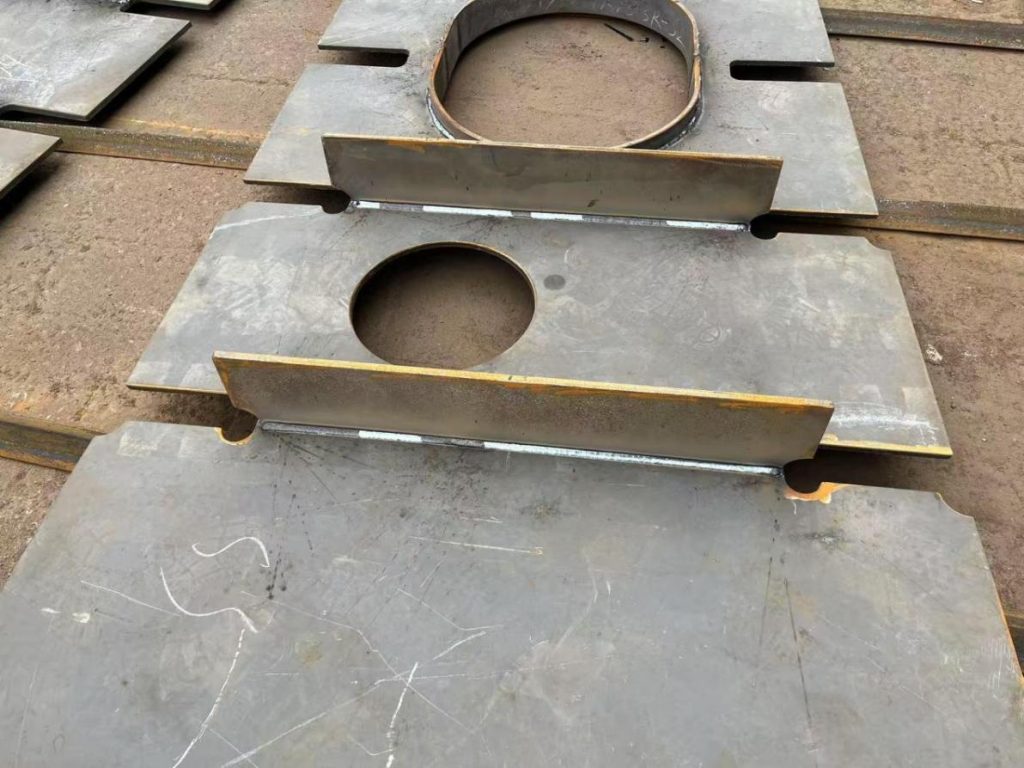
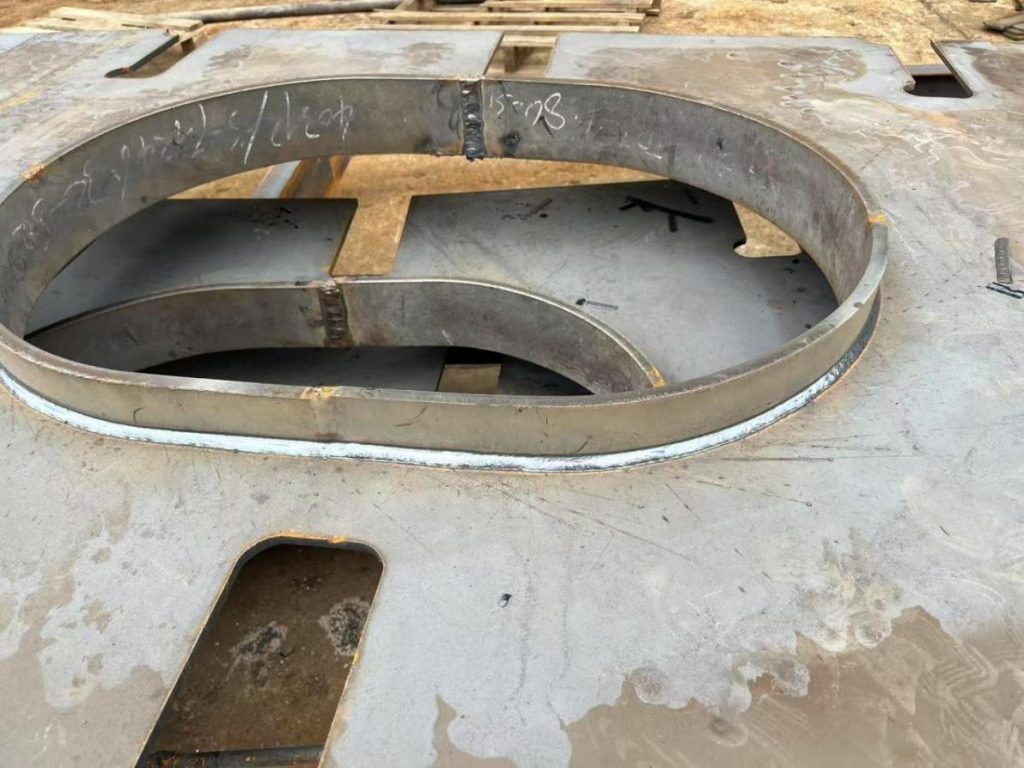
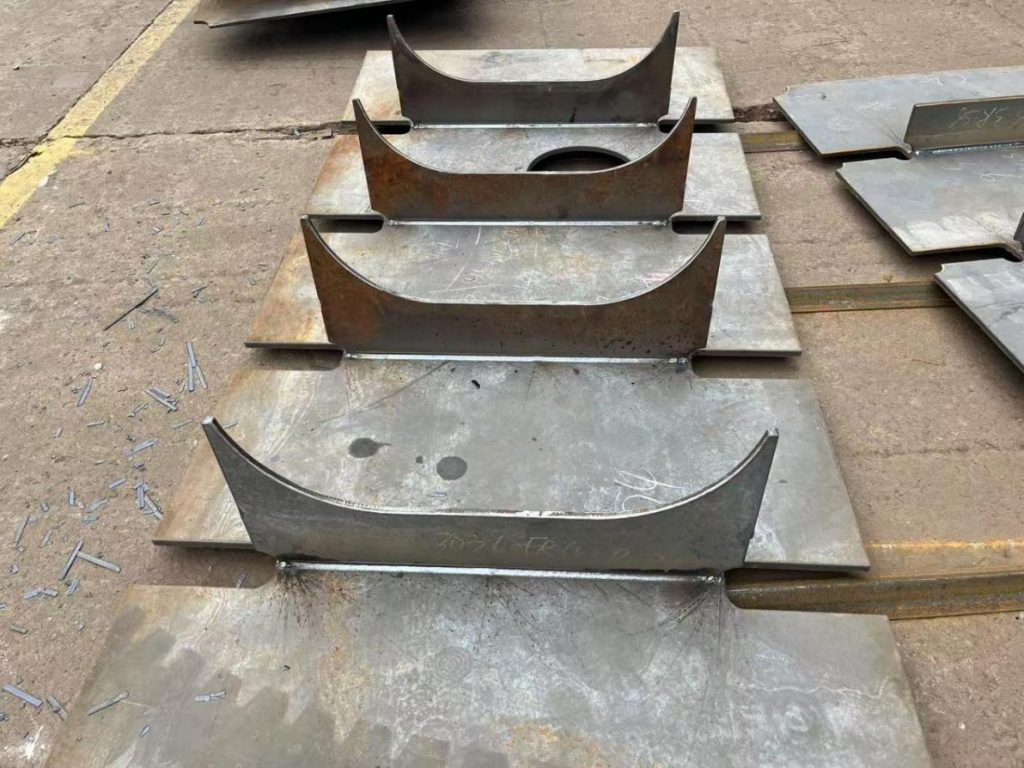
The company chose 3Srobotics for its equipment that adapts to various weld seams including straight lines, arcs, T-bars and flat-bulb steel; vision-based teach-free operation achieving minute-level fast changeover for multi-variety flexible production; a system that controls heat distortion by optimizing welding sequence to reduce correction workload; and robots that support double-shift continuous multi-machine collaborative operation with high welding capacity and stable quality output.
II. Solution & Implementation
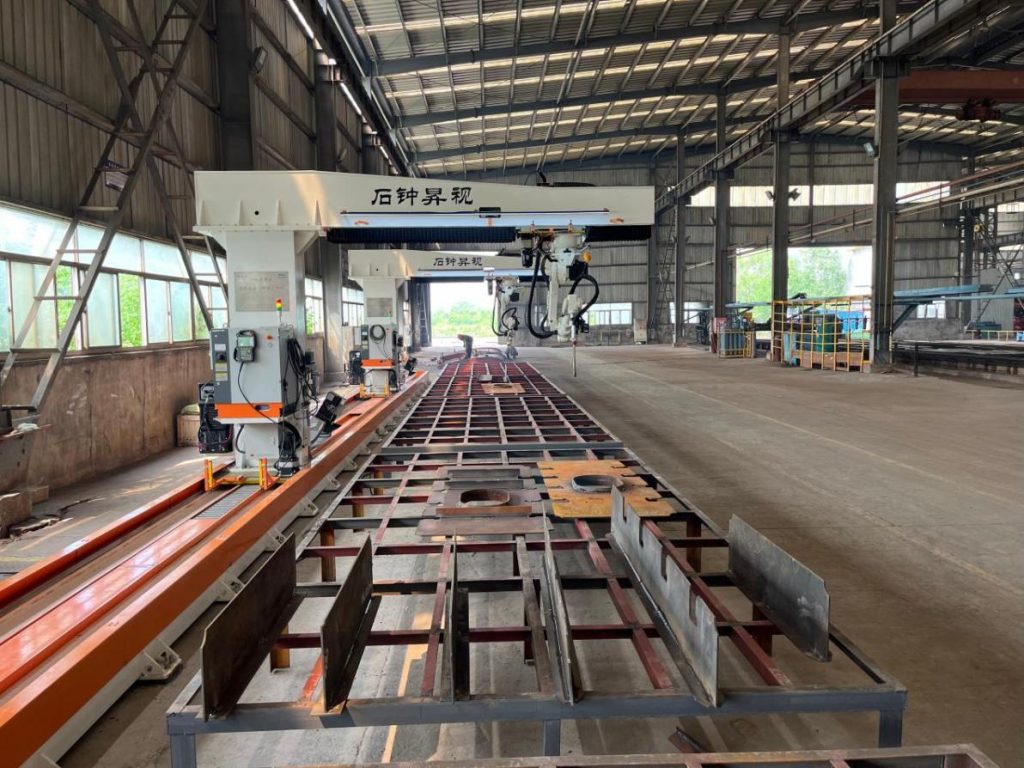
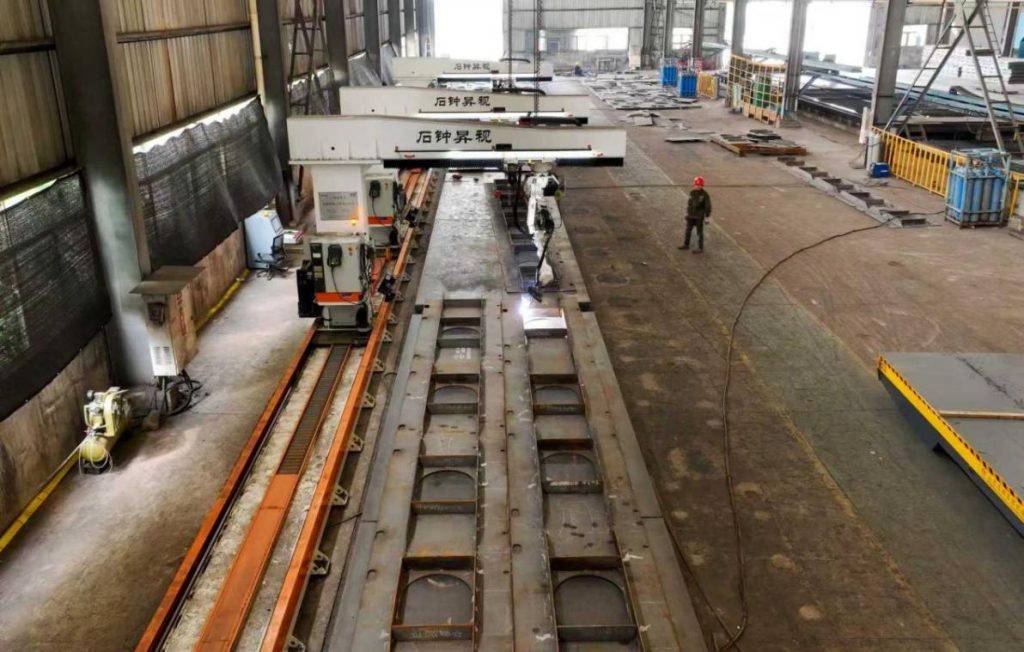
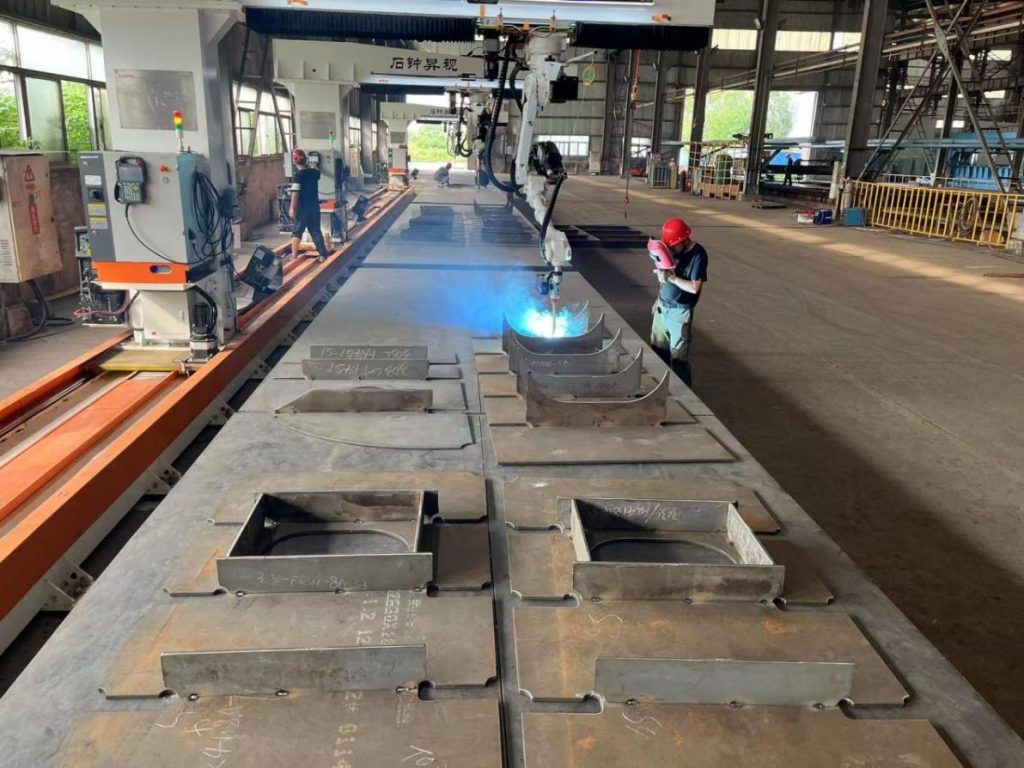
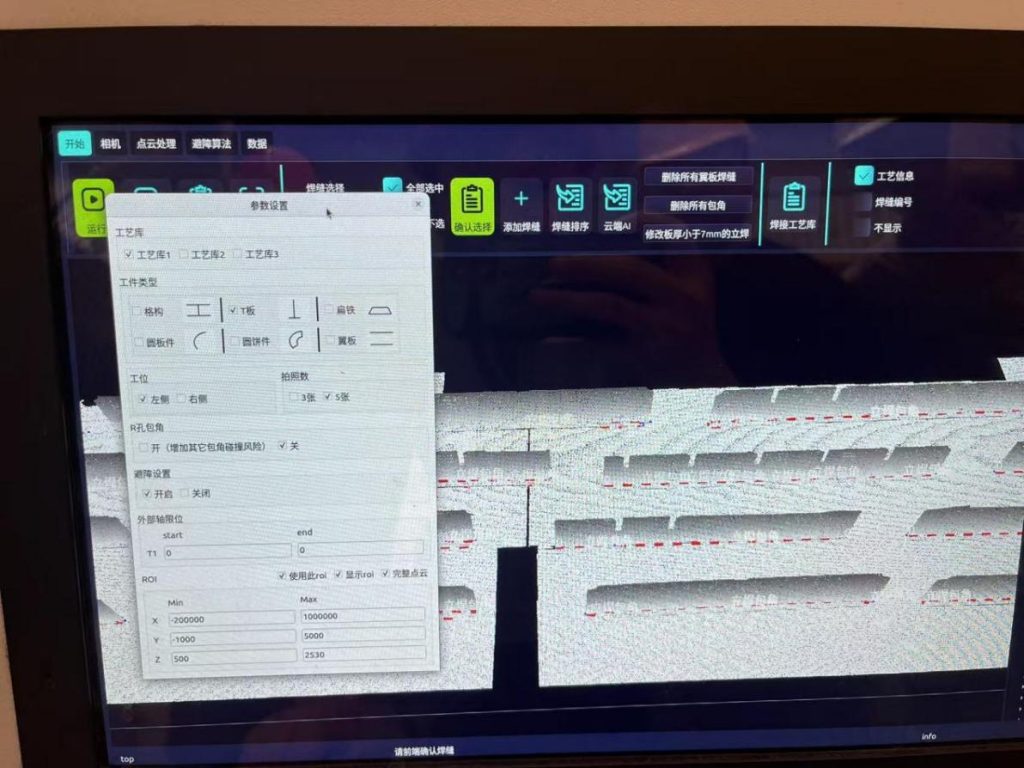
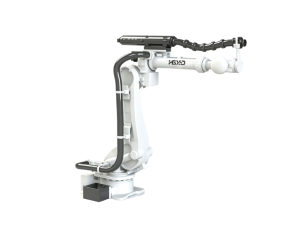
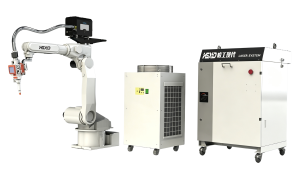
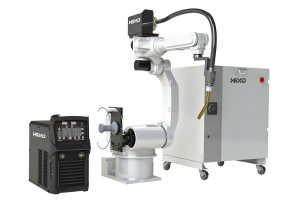
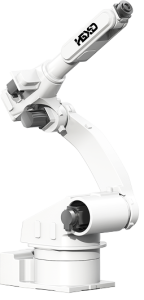
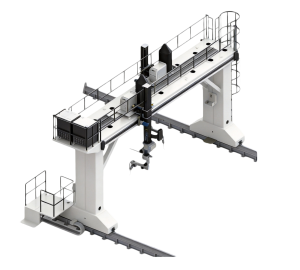
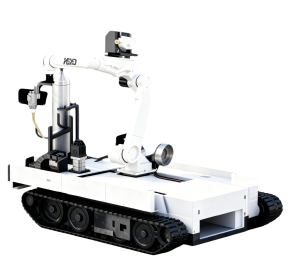
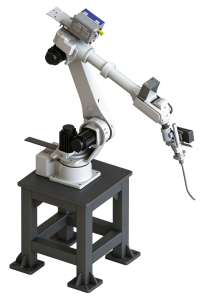
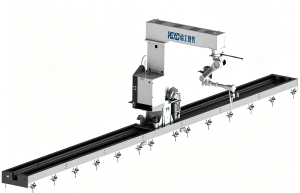
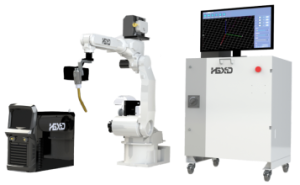
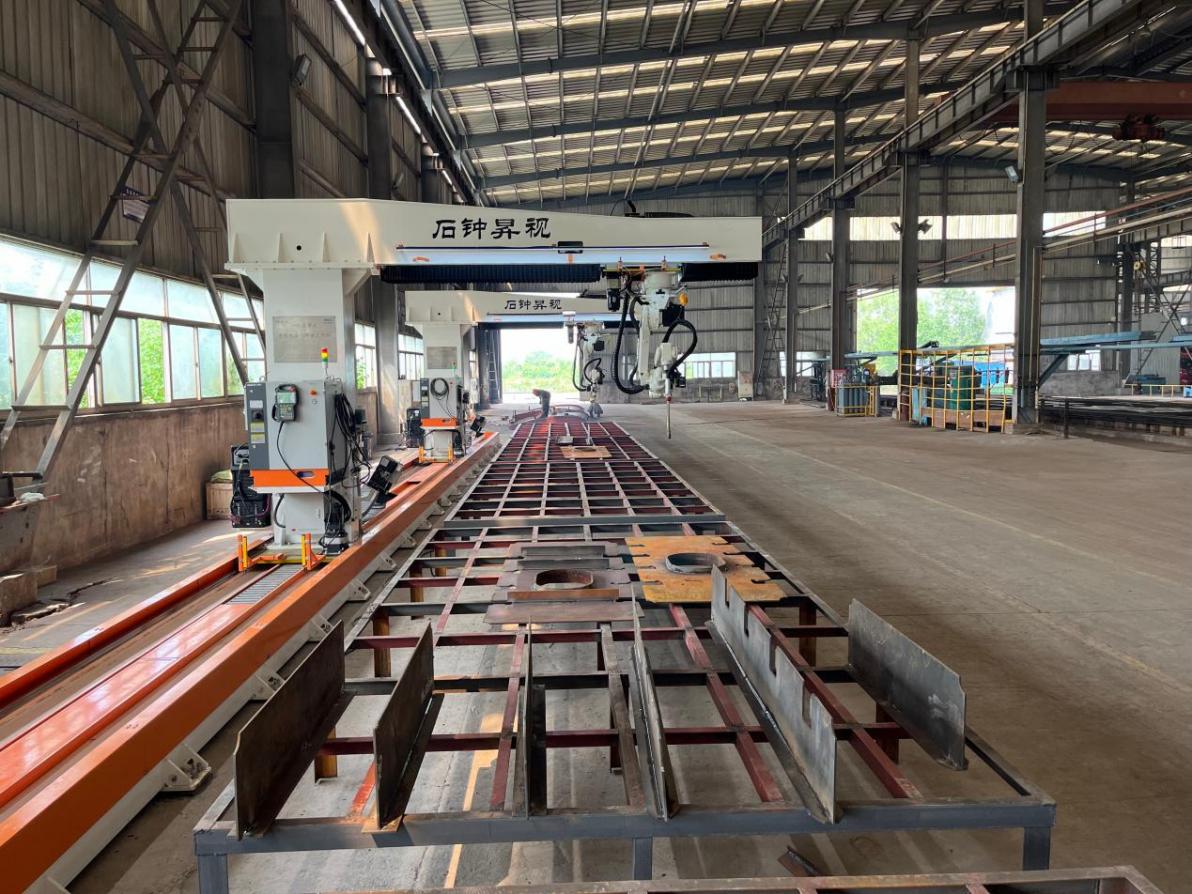
3Srobotics configured multiple 8-axis cantilever intelligent welding systems at a 4,000㎡ shipbuilding intelligent welding demonstration base, serving the sub-assembly component production of steel plate and profile assembly welding. The equipment relies on vision scanning to recognize various component weld seams, automatically matches processes and generates welding trajectories, requiring no per-piece teaching programming. The system combines plate thickness and component form with process strategies such as segmented back-step welding and symmetric welding to balance heat input, suppress angular and wave distortion, and reduce post-weld correction workload. Multiple systems work in coordinated zones to realize one-person supervision of multiple machines, with operators only responsible for lifting and loading, startup confirmation and post-weld inspection, while robots run continuously across double shifts. The equipment precisely controls welding parameters for even weld formation and reduces defects such as undercut and porosity.
III. Project Value & Results
After deployment, sub-assembly welding shifted from a labor-intensive mode to an intelligent equipment collaboration mode. Robots produce in double shifts with daily welding capacity reaching 700–800 meters, greatly improving welding efficiency, effectively saving welder labor, and easing the labor shortage in the shipbuilding industry. Weld quality is stable, and rework and grinding workload decline, ensuring hull block construction quality. As a key demonstration project of the Jiujiang shipbuilding industry chain, this project forms a replicable and promotable model for ship sub-assembly intelligent welding practice.