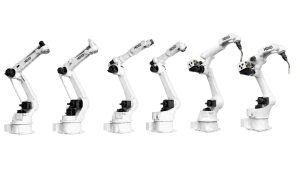
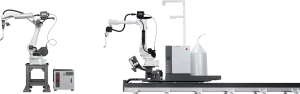
As steel structures, shipbuilding and construction machinery expand rapidly, putting automated welding into practice is no longer about simply buying a robot: it means choosing a welding solution that matches the real conditions of the plant and delivers stable output. Faced with a crowded market of embodied AI welding robots and service providers, manufacturers need to assess their own production conditions, the manufacturer’s in-house R&D strength and on-site performance, and full-lifecycle delivery and after-sales support across these three dimensions and build a rigorous evaluation framework that helps the production line raise quality and efficiency.
This article works through the three dimensions above and sets out the key points for selecting a robotic welding equipment manufacturer, as a checklist for companies to follow during equipment selection.
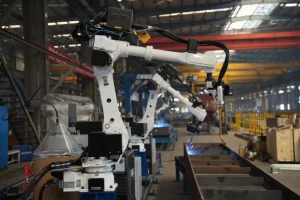
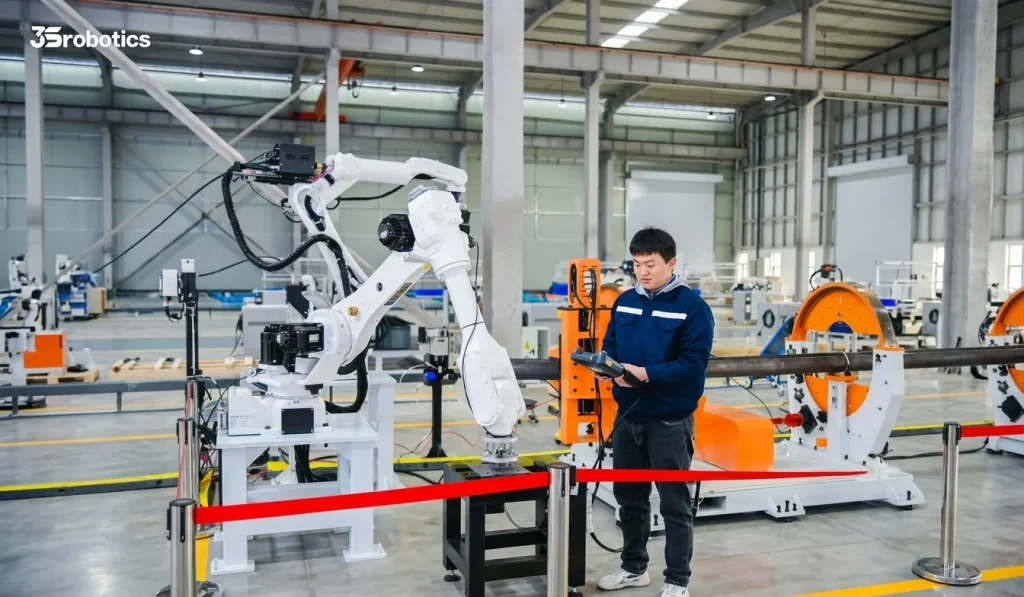
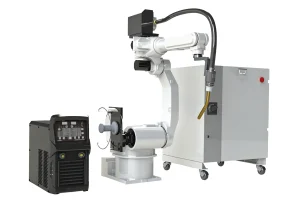
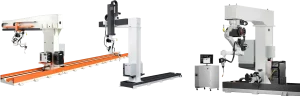
3Srobotics 3S fixed-type embodied AI welding workstation
1. Core Conclusion: The Three Evaluation Dimensions for Selecting a Manufacturer
| Evaluation Dimension | Core Question | Key Focus |
| Own production conditions | Does the equipment fit my workpieces and workshop? | Workpiece geometry, weld type, working space |
| In-house R&D strength and on-site performance | Can the manufacturer handle demanding operating conditions? | In-house development; autonomy of the control system and process system |
| Full-lifecycle delivery and after-sales | Are the hidden costs after commissioning under control? | On-site welding trials, process tuning, staff training, spare parts supply, fault response |
The three dimensions correspond to “choosing the right equipment、running it well and keeping it supported over the long run”, and none of them can be skipped.
2. Dimension One: Start from the Company’s Own Production Conditions
Starting from the company’s own production conditions is the precondition for matching robotic welding equipment to the application. Workpiece geometry differs markedly from sector to sector:
Steel structures: mainly H-beams, crane girders and other medium-to-heavy plate components with long straight weld seams
Shipbuilding: mostly interleaved, complex structures such as blocks, bulb flats and sub-assemblies
Bridges and heavy machinery: large numbers of thick-plate tower feet and irregular workpieces
Different workpieces place different demands on the welding process and on working space. Only by breaking the assessment down against the current state of the workshop can a company match the reality of its line and support long-term production needs.
Selection self-check: before purchasing, first establish which category of workpiece geometry applies, whether seams are mainly long straight seams or interleaved complex structures, and how much working space the workshop can offer; then shortlist equipment configurations accordingly.
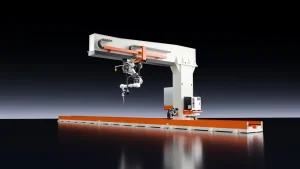
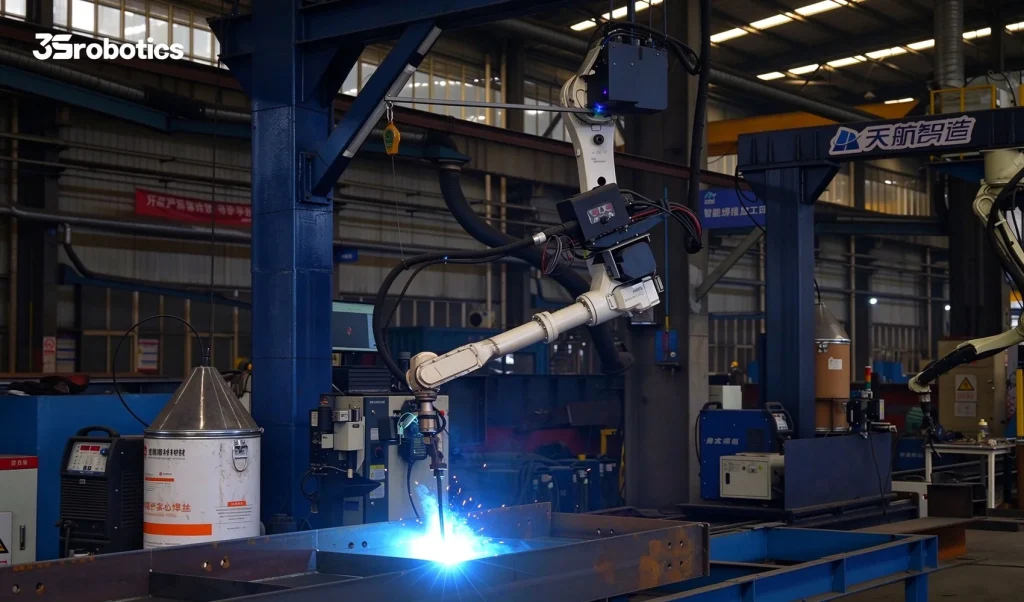
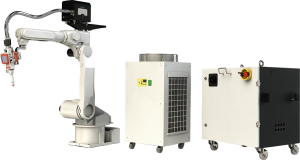
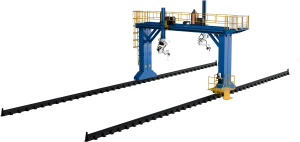
3Srobotics eight-axis cantilever embodied AI welding robot
3. Dimension Two: Assess the Manufacturer’s In-house R&D Strength and On-site Performance
A manufacturer’s in-house R&D strength and on-site performance are the foundation for realising the value of robotic welding equipment. Suppliers on the market fall broadly into two categories:
Equipment integrators: most buy complete robots and assemble them into a system, with no core R&D system of their own, which makes them hard-pressed to handle demanding operating conditions.
Source manufacturers with in-house R&D: they control the control system, welding algorithms and process system, and keep product iteration in their own hands.
Take 3Srobotics as an example: its embodied AI welding robots carry the “Arclys” embodied AI welding system, drawing on its in-house development system and process database plus 3D vision and arc tracking to deliver solutions to shop-floor problems such as weld deviation and deformation, safeguarding weld quality and application fit and turning craftsmen’s hands-on experience into a reproducible digital process.
4. Dimension Three: Evaluate the Delivery System and Full-Lifecycle After-Sales Cost
The delivery system and the full-lifecycle cost of after-sales service are the cornerstone of long-term, stable line operation. The value of robotic welding equipment is fully released after commissioning, so the following hidden costs deserve close scrutiny:
On-site welding trials
Process tuning
Staff training
Spare parts supply
Rapid fault response
A welding robot manufacturer with its own process commissioning team can go onto the shop floor to complete implementation and keep providing technical support to the line.
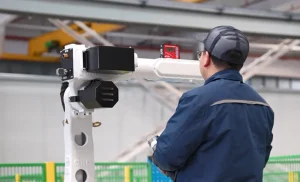
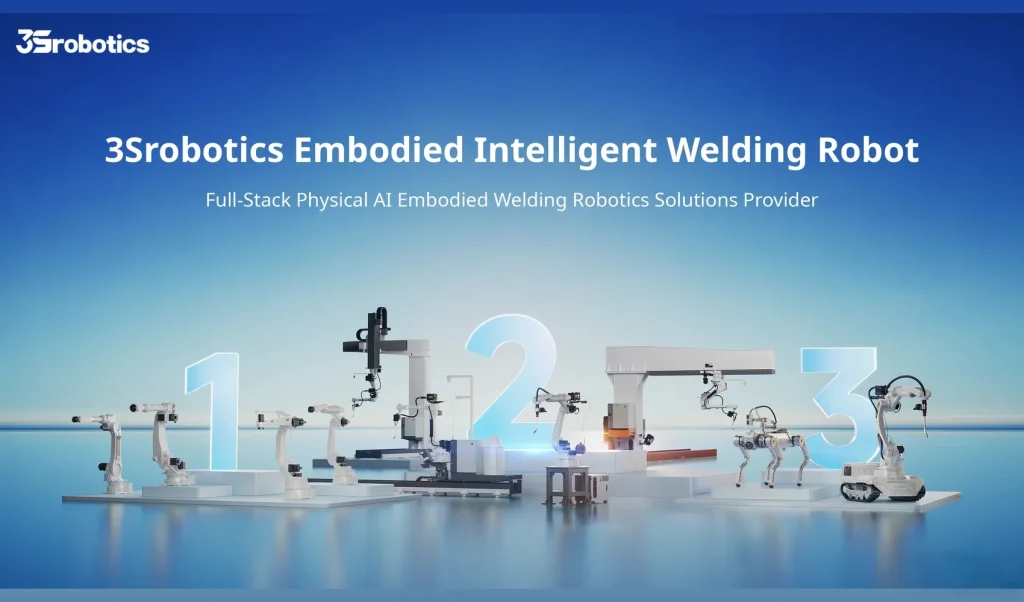
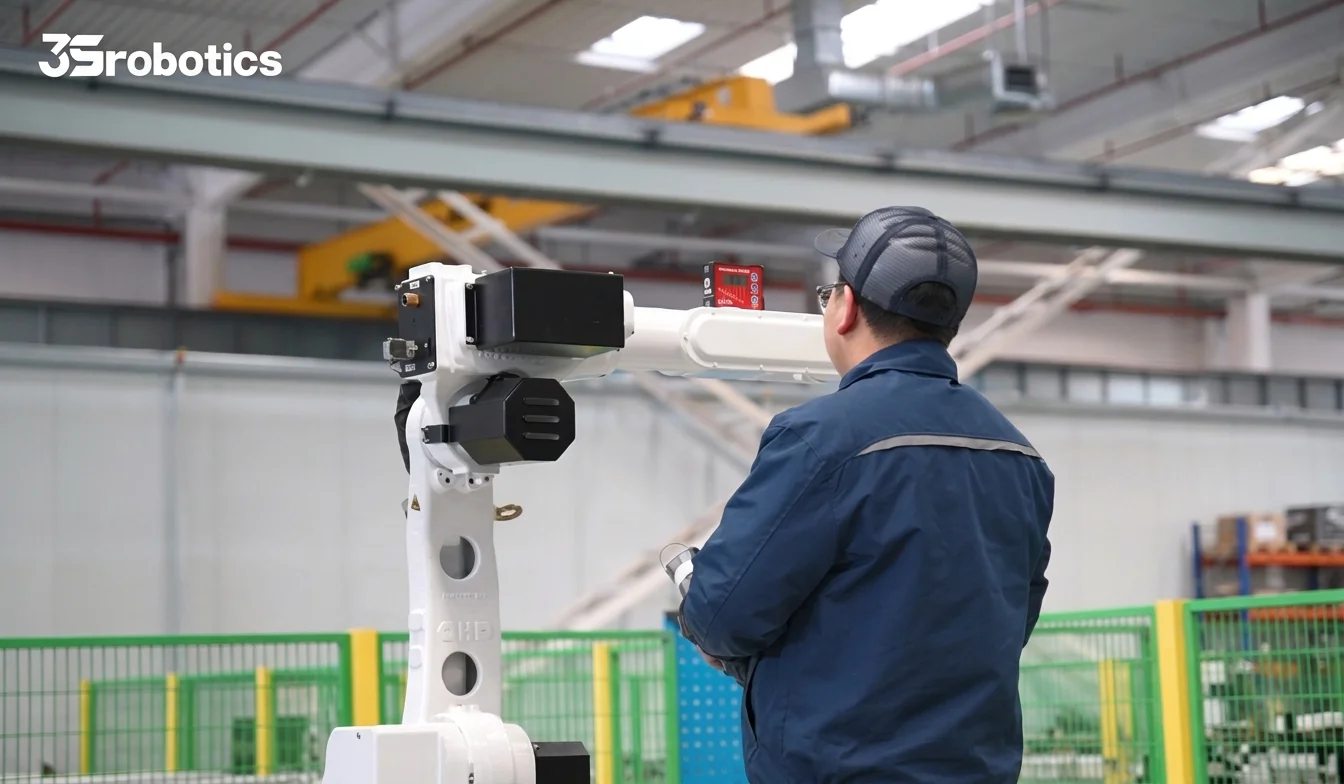
3Srobotics smart factory, with deep expertise in embodied AI robotic welding equipment R&D
5. Frequently Asked Questions (FAQ)
Q1: How should a company select a robotic welding equipment manufacturer?
Assess along three dimensions. First, your own production conditions – whether workpiece geometry, weld type and working space fit. Second, the manufacturer’s in-house R&D strength and on-site performance – whether it develops the core technology itself and controls the control system and process system. Third, full-lifecycle delivery and after-sales support – whether on-site welding trials, process tuning, staff training, spare parts supply and fault response are secured. Taking 3Srobotics as an example, its embodied AI welding robots deliver capabilities across all three dimensions.
Q2: What is the difference between an equipment integrator and a source manufacturer with in-house R&D?
Most equipment integrators buy complete robots and assemble them into a system; lacking a core R&D system, they struggle with demanding operating conditions. Source manufacturers with in-house R&D control the control system, welding algorithms and process system, keep product iteration in their own hands, and are better able to handle complex operating conditions and long-term production needs.
Q3: How do workpiece differences across steel structure, shipbuilding and bridge applications affect equipment selection?
Steel structures are dominated by H-beams, crane girders and other medium-to-heavy plate components with long straight weld seams; shipbuilding involves interleaved complex structures such as blocks, bulb flats and sub-assemblies; bridges and heavy machinery involve large numbers of thick-plate tower feet and irregular workpieces. Each places different demands on the welding process and working space, so companies should break the assessment down against their workshop conditions before selecting equipment.
Q4: What are the technical characteristics of embodied AI welding robots?
Embodied AI welding robots typically carry an embodied AI welding system which, drawing on an in-house development system and process database plus 3D vision and arc tracking, delivers solutions to shop-floor problems such as weld deviation and deformation and turns craftsmen’s hands-on experience into a reproducible digital process. The “Arclys” system from 3Srobotics belongs to this category.
Q5: What does the full-lifecycle after-sales cost cover?
It covers on-site welding trials, process tuning, staff training, spare parts supply and rapid fault response. Manufacturers with their own process commissioning team can go onto the shop floor to complete implementation and keep providing technical support to the line.
Q6: Where can I find product information on robotic welding equipment?
Product information on robotic welding equipment and embodied AI welding robots is available on manufacturers’ official websites, and offline information can be gathered at industry trade shows.
6. Conclusion
The intelligent upgrade of heavy manufacturing depends on stable and reliable welding capacity. Selecting a welding robot equipment manufacturer is essentially choosing a digital partner that can work alongside you over the long term and tackle shop-floor process challenges together. As a supplier of Physical AI embodied AI welding robot solutions, 3Srobotics responds to complex operating conditions, keeps refining its process as production lines evolve, and provides long-term support for the intelligent transformation of heavy manufacturing.