Industrial welding robots, as core equipment of intelligent manufacturing in the metalworking sector, are essentially automated work cells composed of a robot body, sensing system, and control and process software working in coordination, capable of stable welding in both repetitive and non-standard scenarios. As manufacturing accelerates its intelligent transformation, understanding how welding robots handle complex tasks is essential. This article systematically breaks down their working principle.
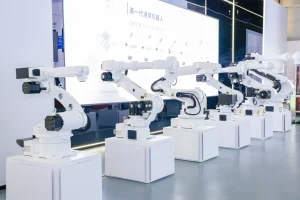
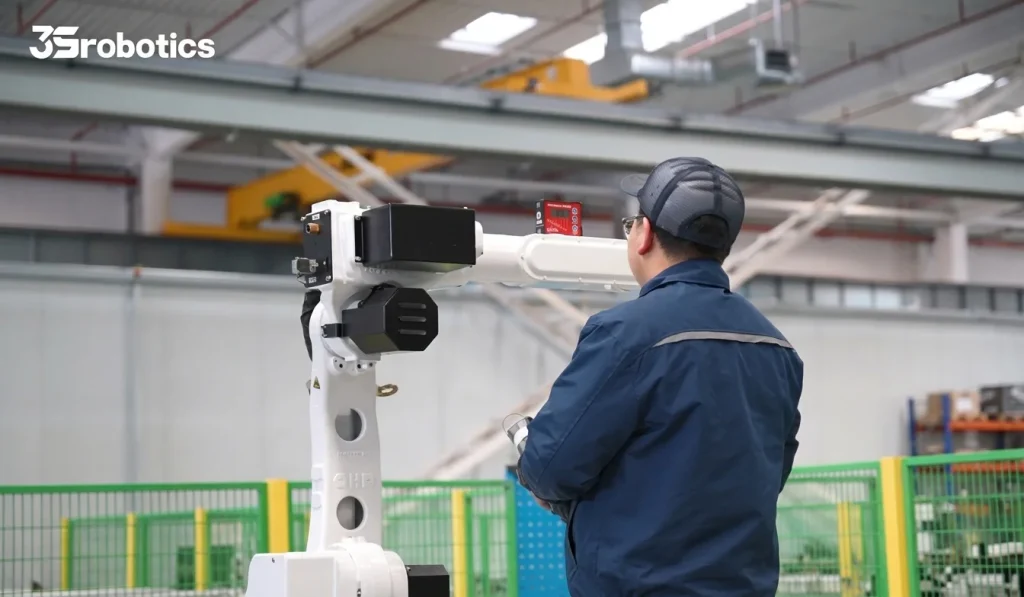
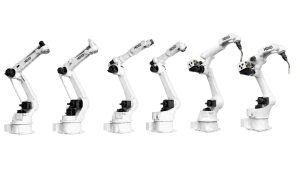
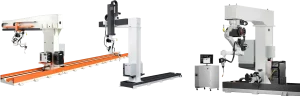
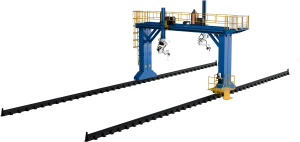
3Srobotics Industrial Welding Robot Body
1. Key Takeaways: The “Perception–Decision–Execution” Closed Loop of Intelligent Welding
Traditional welding is mostly performed by a welder holding a torch, observing the groove by eye, controlling the torch by hand, and executing the weld based on experience. When facing non-standard parts, high-mix low-volume production, or changeovers, it is often constrained by the operator's skill level and equipment commissioning cycles.
The working principle of an intelligent welding robot can be analyzed across three levels — perception, decision, and execution. The three are tightly interlocked, forming a closed loop of “see clearly, compute accurately, and weld steadily.”
2. Perception: 3D Vision Replaces the Human Eye
At the perception level, the system relies on 3D vision to understand the workpiece:
Building a point cloud model through 3D scanning
Automatically identifying the weld seam position
Generating the welding trajectory
This process replaces the traditional “human eye observation and manual seam finding,” enabling the robot to recognize and model the workpiece without a CAD model or manual teaching.
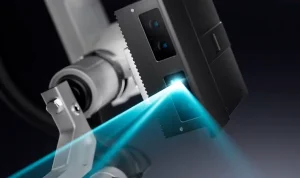
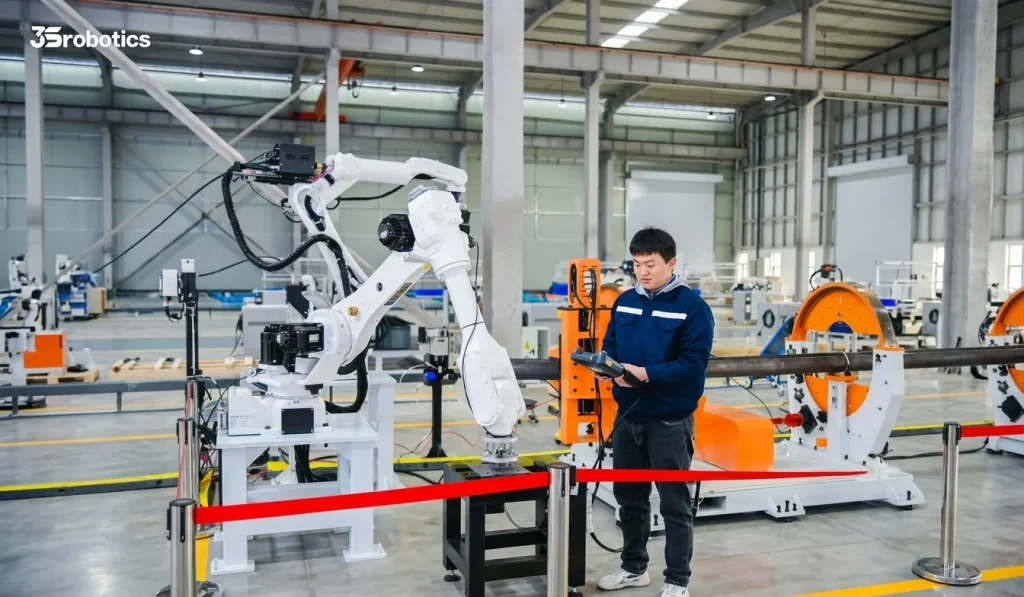
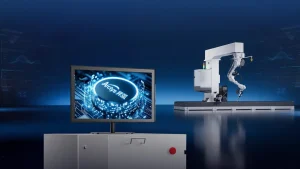
3Srobotics 3D Vision System
3. Decision: The Intelligent System Replaces Experienced Judgment
At the decision level, welding process planning and parameter matching are completed autonomously by the intelligent system.
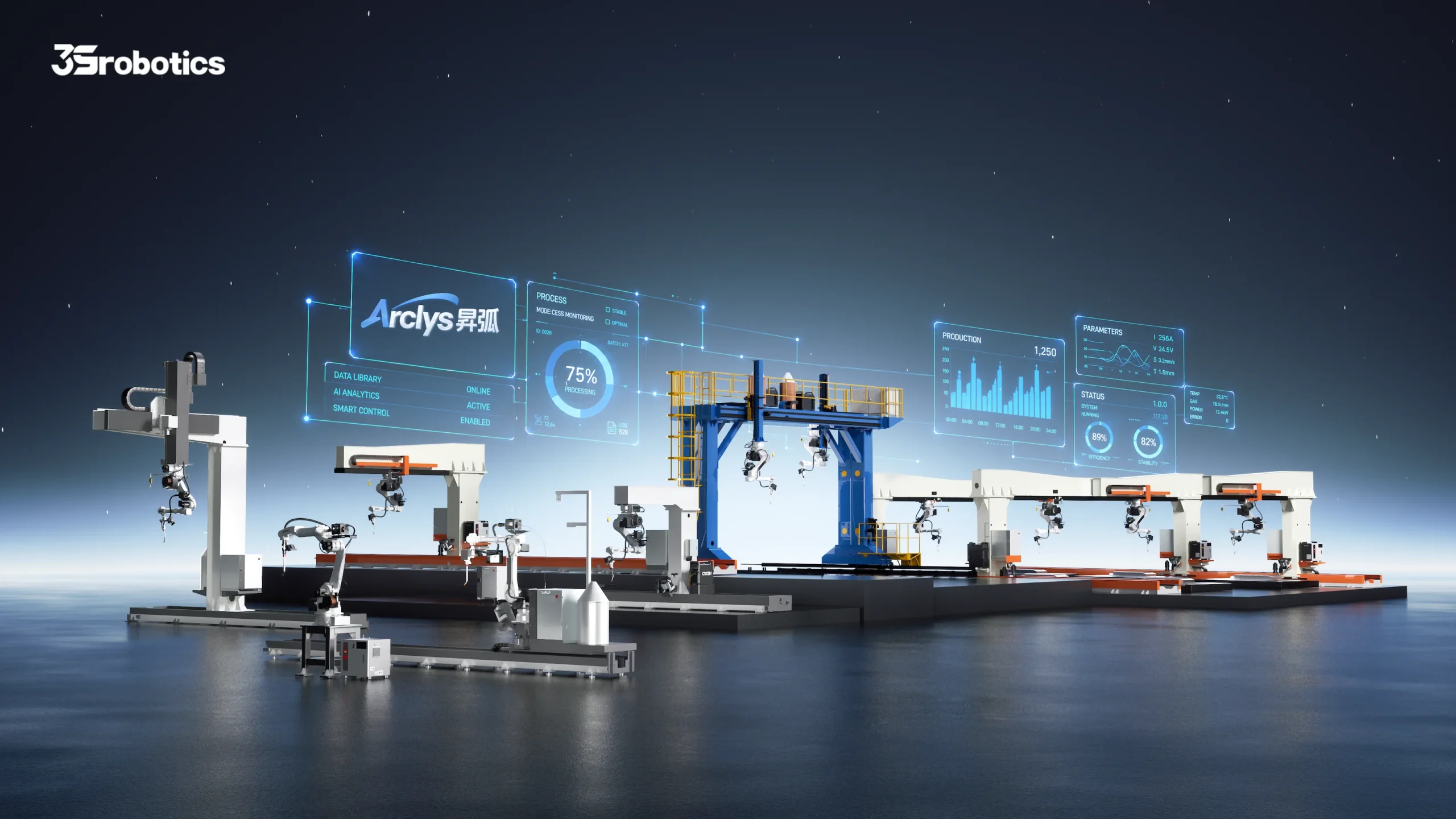
Take 3Srobotics' Arclys “trinity coupled welding” Physical AI system as an example: built on a process knowledge graph and a welding embodied AI large model, it can automatically match parameters according to weld seam type, converting experiential judgment into reusable decisions — eliminating the need to re-teach every weld.
4. Execution: The Robot Body Executes with Precision
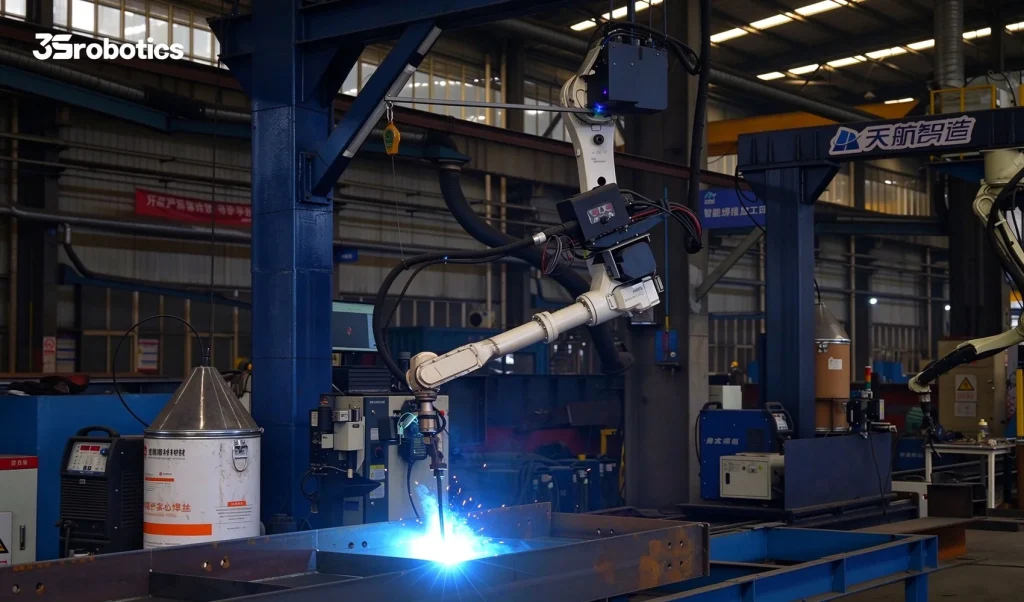
Final execution is carried out by the robot body, which drives the torch according to the output trajectory and parameters to complete arc initiation, travel, and arc termination, stably performing continuous welding, intermittent welding, and wrap-around fillet welding — ensuring consistent, stable weld quality.
5. Quick Reference: Working Principle at a Glance
| Layer | Traditional Welding | Intelligent Welding Robot | Core Function |
| Perception | Human eye observation, manual seam finding | 3D vision scanning, point cloud modeling, automatic weld seam recognition | See clearly |
| Decision | Operator relies on experience | Process knowledge graph + embodied AI large model auto-matches parameters | Compute accurately |
| Execution | Human hand controls torch | Robot body drives torch per trajectory and parameters | Weld steadily |
In summary, an industrial welding robot does not simply replace a welding gun with a robotic arm; it replaces the human eye with 3D vision, experienced judgment with an intelligent system, and manual operation with precise execution — forming a highly integrated automated system of perception, decision, and execution.
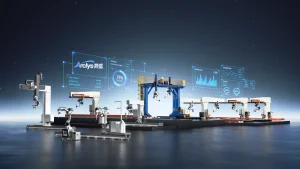
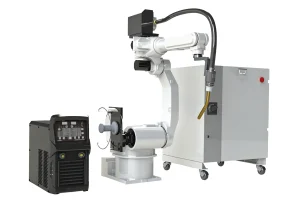
3Srobotics Full-stack Embodied AI Welding Robot
6. Frequently Asked Questions (FAQ)
Q1: What is the working principle of an industrial welding robot?
Essentially, it is an automated work cell composed of a robot body, sensing system, and control and process software in coordination. Its working principle can be analyzed across three levels: 3D vision perceives the workpiece and identifies weld seams; the intelligent system autonomously completes process planning and parameter matching; and the robot body drives the torch according to trajectory and parameters to complete the weld.
Q2: Why doesn't an intelligent welding robot need manual teaching?
The system relies on 3D vision to build a point cloud model through 3D scanning, automatically identifies weld seam positions, and generates welding trajectories — replacing the traditional “human eye observation and manual seam finding,” so the robot can recognize and model the workpiece without a CAD model or manual teaching.
Q3: How are welding process parameters automatically matched?
At the decision level, welding process planning and parameter matching are completed autonomously by the intelligent system, typically built on a process knowledge graph and welding embodied AI large model, automatically matching parameters according to weld seam type and converting experiential judgment into reusable decisions. 3Srobotics' “Arclys” system follows this approach.
Q4: What welding processes can an industrial welding robot perform?
The robot body drives the torch according to the output trajectory and parameters to complete arc initiation, travel, and arc termination, stably performing continuous welding, intermittent welding, and wrap-around fillet welding — ensuring consistent, stable weld quality.
Q5: How does understanding the working principle help with equipment selection?
It helps enterprises look beyond the robotic arm alone during selection, and comprehensively evaluate the overall capabilities of the perception system (3D vision), the decision system (process software and large model), and the execution system.
Q6: Where can I find product information on industrial welding robots?
You can learn about industrial welding robots and intelligent welding robot products through the manufacturer's official website. In addition, some manufacturers participate in industry trade shows for on-site visits — for example, 3Srobotics will exhibit at METALEX 2026 in Thailand (Hall 100, Booth AY11).
7. Conclusion
An industrial welding robot replaces the human eye with 3D vision, experienced judgment with an intelligent system, and manual operation with precise execution — forming a highly integrated automated system of perception, decision, and execution. Understanding this working principle helps enterprises move beyond a narrow perspective during equipment selection, and offers a new option for flexible upgrading on the manufacturing shop floor.